Leave Your Message

Blog

How to Choose the Right Poly Woven Dunnage Bag?

How to Choose the Right Poly Woven Dunnage Bag?

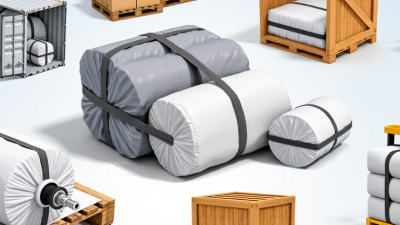
Choosing a poly woven dunnage bag isn’t just about picking something that matches the pallet. Honestly, it’s a little more nuanced than that. You have to think about the load, the empty spaces around it, and how much it might move around during transit. A bag that seems perfectly fine in the warehouse can still be a bad fit once the load starts shifting. And the small stuff matters—pallet width, gap size, load weight, and how much room you’ve got to inflate the bag. So here's the thing: getting the right bag really starts with what you're shipping. You can't just eyeball it—check the load's weight and shape, measure the gaps between cargo units, and make sure the bag's size and stated capacity actually line up with those conditions. Also, don't skip the details like fabric, valve, and inflation instructions. A tough-looking weave alone won't cut it. And keep in mind, bigger capacity isn't automatically better. Fit matters more than you'd think. Look, [verified industry expert name] said it better than I can: “[Insert a verified quotation about matching dunnage bag specs to the actual load and transport conditions].” And honestly, that’s the whole ballgame. You pick your dunnage based on what the shipment really needs, not just what looks right. But here’s the thing—no checklist is going to make the call for you. Every load is a little different, and that one measurement you skimmed over? It might come back to bite you later. So, you're thinking about getting a poly woven dunnage bag? Before you dive in, let's walk through what actually matters – the key specs, how they usually fit, and the questions you should be asking yourself. This guide covers all that, so you can make a smart choice without any guesswork.
Read more »
Amelia By:Amelia - November 11, 2026
What Is a Slip Sheet Forklift Used For?

What Is a Slip Sheet Forklift Used For?

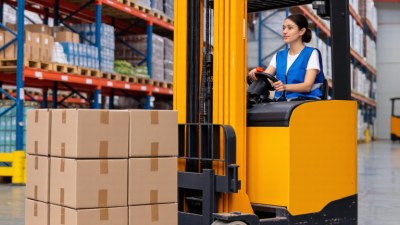
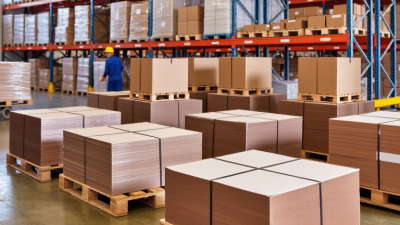
Okay, so a slip sheet forklift is basically what you use when your load is sitting on one of those thin sheets instead of a wooden or plastic pallet. It's pretty common in warehouses, distribution centers, and shipping areas—anywhere that wants to ditch pallets to free up storage space and cut down on return-handling. The forklift itself usually has a push-pull attachment. It grabs the tab on the sheet, slides the load onto a flat platten, and then pushes it off once it's at the destination. So picture this: you've got cartons stacked nice and tight on a slip sheet beside the loading dock. The attachment can slide that whole stack into the trailer—no need to lift a full pallet. That's a big deal for paper goods, packaged foods, and other stable loads. The Forklift Slip Sheet setup might even let you load the trailer more densely, but honestly, results vary. It all comes down to the load, the sheet material, and how skilled the operator is. And small details? They matter more than you'd think. Honestly, if your tab is weak, the stack isn't even, or you go at it too rough, you're just asking for slipping—or worse, damaging the product. Let's be clear: this isn't some magic fix that replaces every pallet. The load has to actually work with the sheet and the attachment, and don't forget—the forklift's rated capacity has to include the attachment too. And operators? They need real hands-on training, not just a quick overview—how to engage the tabs, keep the load level, and set it down without jarring everything. Sure, the space savings sound great in theory, but switching over takes time. That trade-off? Worth a closer look. So, if you're wondering whether a slip sheet forklift makes sense for your operations, you've got to look at both what it does well and where it hits its limits. That's really the key to deciding if it belongs in your material-handling toolkit.
Read more »
Charlotte By:Charlotte - November 7, 2026
How to Use a Slip Sheet Forklift in 2026?

How to Use a Slip Sheet Forklift in 2026?

Let’s be real: a slip sheet forklift can totally move loads around a warehouse without pallets—but it’s not just about the machine. The attachment, the load, and the operator all have to click and work as one system. In this guide, we’re using “Elena Brooks” as a fictional material-handling specialist. She’s not a real person or some independently vetted expert, just a helpful persona to frame things. And her little reminder? “Keep the load square, the push-pull action controlled, and the travel path clear.” It’s a solid practical rule, not a quote from some official source. More like a good habit to keep in mind. Even in 2026, you can’t get away from the basics. Before you start, make sure the slip sheet actually matches the load—weight, dimensions, surface condition, all of it. Give the attachment, hydraulic connections, and push plate a quick once-over, too. Then approach the load slowly, line up your forks, and stick to the equipment manufacturer’s operating instructions. Honestly, the small details are what count. A curled sheet edge or a slightly leaning stack can change how the load travels. Operators really need to be trained on the specific truck and attachment they’ll actually be using, and the site procedures should be available on site — and actually understood, not just skimmed over. Alright, so you're probably wondering how to actually use a slip sheet forklift—not just in theory, but in real life. We'll walk through the whole thing, from getting your load ready to setting it down safely where it needs to go. Along the way, I'll also point out some common mistakes people make, what you should be checking on the regular, and yes, when you might be better off just using a pallet. Sure, Forklift Slip Sheet setups can seriously boost your storage and shipping efficiency, but they're definitely not a free pass to skip planning. Because let's be honest—warehouses can get messy. Like, really messy. Honestly, if the load changes at all, it’s worth taking another look at your setup. And the second you notice the sheet slipping or anything shifting, just pause—don’t try to push through.
Read more »
Amelia By:Amelia - November 2, 2026
How to Choose the Best Plastic Slip Sheet in 2026?

How to Choose the Best Plastic Slip Sheet in 2026?

Look, picking the best plastic slip sheet in 2026 isn't just about price tags. You really have to match the sheet to your actual handling conditions. Think about load weight, box dimensions, how you're stacking things, and the equipment you're moving stuff with. A slip sheet that works perfectly for one shipping lane can totally flop in another. And the little details matter more than you'd think—a slick warehouse floor, rough carton edges, or a wonky load can completely change how smoothly goods slide and stack. When you're comparing options, don't stop at the material type. You'll also want to think about thickness, surface texture, edge quality, and how many reuse cycles you're realistically looking at. An HDPE Plastic Slip Sheet might be a solid fit for demanding repeated handling, but don't just take the material name at face value. Talk to the supplier, confirm the specs, and ask for documented load guidance. And of course, double-check that it's compatible with your push-pull attachment or whatever other handling equipment you're using. Look, there’s no one-size-fits-all winner here. If you can, run some trials with representative loads and check afterward for bending, tearing, or slipping. But don’t take a clean test as gospel—seasonal conditions or oddball loads can still catch you off guard, so give yourself room to reevaluate. In the end, the right choice comes down to dependable handling, what you pay upfront, and how long it holds up for your specific setup.
Read more »
Amelia By:Amelia - October 29, 2026
How to Choose the Best Poly Woven Dunnage Bag?

How to Choose the Best Poly Woven Dunnage Bag?

Honestly, picking the right poly woven dunnage bag starts with the cargo—not whatever the label says. Think about it: a bag squeezed into a narrow container has a totally different job than one protecting machinery on a long, humid trip. So measure that empty space carefully. And don’t skip the basics—check the load weight, pallet height, how it’ll be handled, and the kind of transport conditions you expect. So, a little gap is probably gonna need a different size than a wide void—right? And if the fit is off, you can end up with pressure points, loose corners, or cartons that just won’t stay stable. Packaging engineer David Lin put it well: “A dunnage bag should control movement—not become the load’s only protection.” And honestly, that point matters. If you're using a poly woven dunnage bag, make sure it fits the job: the right pressure level, valve design, outer weave, and inflation method. Check the fabric too—look for clean seams and even, consistent weaving. Before you load anything, test the valve connection. And don’t forget to take a close look at the area where the bag makes contact. Rough timber, those sharp pallet edges, exposed nails—yeah, they can mess up even the toughest materials. So if you're not sure about a surface, just throw down some protective sheets first. Look, this guide digs into the details purchasing teams often skip over—durability, how easy something is to inflate, storage, supplier consistency, and total cost. Price? Yeah, it still matters. But it shouldn't be the only thing driving every decision. And honestly, we'll admit one practical limitation: product specs rarely capture every real-world condition. A trial load can expose assumptions that looked solid on paper. Look, a well-chosen bag can definitely cut down on shifting, corner damage, and those repeated claims - no question. But it won't fix bad stacking or rough handling. Honestly, the right pick is the one backed by actual measurements, specs you can verify, and a transport test that feels realistic.
Read more »
Evelyn By:Evelyn - October 25, 2026
5 Best Non Slip Paper Options for Global Buyers?

5 Best Non Slip Paper Options for Global Buyers?

Choosing the right Non Slip Paper is more complicated than comparing surface texture or advertised grip. Global buyers must consider load weight, humidity, temperature, packaging design, and transport distance. A sheet that holds cartons securely in a dry warehouse may perform poorly inside a refrigerated container. Small details matter. This guide reviews five practical Non Slip Paper options for international purchasing. They include coated kraft sheets, embossed paper, adhesive-backed paper, corrugated slip sheets, and moisture-resistant grades. Each option suits different handling conditions. Some offer strong friction but create recycling concerns. Others are recyclable yet lose performance when exposed to oil or condensation. No option wins every test. Experienced buyers should request technical data before placing large orders. Useful evidence includes friction testing, compression results, moisture resistance, fiber composition, and recommended load limits. Supplier samples should be tested under real conditions, such as stacked cartons on a pallet or drums on a warehouse floor. A laboratory report helps, but it cannot replace practical validation. That assumption can fail. Reliable suppliers should explain production tolerances, storage requirements, and quality-control procedures. Buyers should also confirm sheet dimensions, packaging protection, lead times, and export documentation. Pricing deserves attention, but replacement costs may be higher after one failed shipment. Sustainability claims require careful checking, especially when coatings or adhesives are involved. The best non slip paper is not always the strongest. It is the option that balances grip, safety, recyclability, and consistent supply.
Read more »
Amelia By:Amelia - October 20, 2026
What Is the Best Cargo Bar Load Bar for Truck Loads?

What Is the Best Cargo Bar Load Bar for Truck Loads?

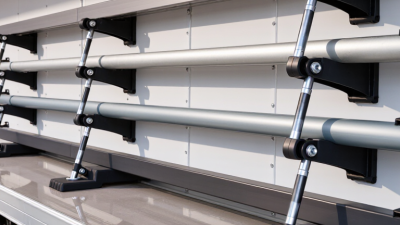
Picking the best Cargo Load Bar isn't just about grabbing the beefiest-looking tube. A load bar you can actually trust has to match the trailer width, wall style, freight weight, and the everyday conditions it works in. Michael R. Bender, a cargo-control engineer at Kinedyne, puts it plainly: 'A load bar works only when its feet stay firmly engaged with the trailer walls.' Yep, that one deserves attention. A shiny finish doesn't mean much if the bar slips next to a chilled pallet. This guide looks at what seasoned fleet managers actually check before they buy. We'll walk through steel versus aluminum, adjustable length, spring tension, rubber foot design, locking mechanisms, and working load limits. We'll also think about how quickly a driver can get the bar into place inside a dark trailer at 5 a.m. Those little things add up. A handle that pinches gloves can slow down a loading routine. A weak foot may scuff walls, lose grip, or let freight shift when you brake. No single bar is the right pick for every truck, and that assumption needs a reality check. A short regional route might do fine with a lightweight bar. Mixed freight? You may need heavier construction and wider contact pads. Measure carefully, too. A couple of centimeters can decide whether the bar fits snugly or not. This article is meant to help you judge Cargo Load Bar options with practical sense, not marketing fluff. The final choice should support secure handling, repeatable inspections, and real warehouse conditions. Even then, people still make mistakes. Good equipment lowers risk, but it never replaces careful placement and routine checks.
Read more »
Charlotte By:Charlotte - October 14, 2026
What Is a Slipsheet Dunnage Bag and How Does It Work?

What Is a Slipsheet Dunnage Bag and How Does It Work?

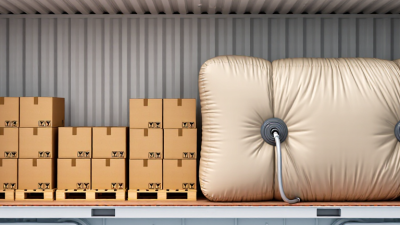
So, what's a slipsheet Dunnage Bag? In plain terms, it's an inflatable cushion that helps secure pallet-free cargo. You'll see it used with freight moving on slipsheets inside containers, trailers, or railcars. The idea is pretty straightforward: the bag fills the gap between the cargo and the container wall. Once air pressure builds, it gives the load lateral support. That helps cut down shifting when the truck brakes, turns, vibrates, or when a vessel rolls at sea. The working principle? Simple. After the cargo is loaded, workers place the Dunnage Bag where it needs to go. Then they inflate it through a valve using regulated air. The bag presses gently against the load and nearby surfaces. That contact improves stability without needing timber blocking. Still, sizing matters—a lot. Too small, and the load can still move. Overinflate it, though, and you might deform packaging or damage fragile products. The International Maritime Organization, International Labour Organization, and United Nations Economic Commission for Europe publish the CTU Code for safe cargo transport-unit packing. Their guidance emphasizes balanced loading, suitable restraint, and careful inspection. And why care about small gaps? Industry risk data gives a pretty clear nudge. The World Shipping Council's 2024 Containers Lost at Sea Report recorded 576 containers lost during 2023. Now, that doesn't prove dunnage bags prevent every incident. But it does show what can happen when cargo control is weak. In practice, operators should check the slipsheet surface, cargo edges, bag rating, and inflation pressure. Packaging condition matters too. No bag can fix poor weight distribution—that's an assumption worth challenging. A reliable program also records loading checks and trains personnel. The technology is practical, sure. But discipline is what makes it dependable.
Read more »
Evelyn By:Evelyn - October 11, 2026
2026 Best Slip Sheet Loading Methods for Global Buyers?

2026 Best Slip Sheet Loading Methods for Global Buyers?

By 2026, buyers around the world are taking a hard look at how cargo actually gets from the factory floor into an overseas container. Slip sheet loading—when it's matched correctly to the cargo—can cut down on pallet weight, improve cube utilization, and make handling simpler. But here's the thing: there's no one-size-fits-all method. Product weight, packaging strength, warehouse space, and what kind of equipment is waiting at the destination all play a role. Push-pull loading works well for plenty of export operations because it moves unit loads without traditional wooden pallets. Roll-on loading can handle certain rigid loads and specialized trailers. Clamp handling might be fine for stable cartons, but if pressure isn't controlled carefully, it can crush weak packaging. Little details matter more than people think. A wet dock can soften paper slip sheets. Being off by just four millimeters can create uneven layers. And one unstable stack? That can hold up an entire container. If you're an experienced buyer, ask for load tests, equipment specs, and clear operating procedures before you sign off on a method. Suppliers should be upfront about sheet material, friction performance, maximum load, and storage conditions. And operators need hands-on training—not just a written instruction sheet. Independent inspection records can also go a long way toward building confidence in different markets. No method is perfect. Even a well-designed plan can go sideways when humidity, rushed loading, or an unfamiliar forklift gets involved. That's why reliable purchasing decisions should include trial shipments, photo checks, and acceptance criteria you can actually measure. This guide looks at leading slip sheet loading methods for 2026, with a focus on safety, efficiency, equipment compatibility, and real-world export reliability. It also points out where common recommendations deserve a closer look.
Read more »
Evelyn By:Evelyn - October 7, 2026
How to Choose the Right Plastic Slip Sheet for Shipping

How to Choose the Right Plastic Slip Sheet for Shipping

Picking the right slip sheet—whether it’s plastic or not—really depends on the load, not just a quick look at a product photo. Your warehouse team should be taking note of things like carton weight, footprint size, stacking height, and how you're loading everything. These little details can tell you if you need a slip sheet with stronger tensile strength, better edge support, or perhaps more friction on the surface. For example, a thin HDPE plastic slip sheet might be perfect for stable cartons, but it could struggle with sharp corners or uneven pressure. Dr. Marshall S. White, a well-known researcher in pallet and unit-load systems, once said, “The pallet is the foundation of the unit load.” The same idea applies when you're choosing a slip sheet. You’ve got to think about how it works with your forklift attachments, push-pull equipment, trailer floors, and how the receiving warehouse handles it. It’s a good idea to test with actual loads—pay attention to things like sliding, curling, tearing, or damage to the corners. Small issues might seem minor, but they can really add up—especially when you’re shipping repeatedly. Material really makes a difference here. HDPE, for instance, is great because it resists moisture and stays clean. Recycled plastics are an option if you're looking to cut down on material use, but you'll want to double-check that their quality is consistent. Always ask your suppliers about thickness tolerances, load ratings, friction levels, and how recyclable their materials are. Companies like Cabka and Rehrig Pacific tend to publish helpful info on handling materials, but at the end of the day, every shipment should be practically tested—there’s just no substitute for that. Honestly, a simple spreadsheet can’t tell you everything. That’s the tricky part—the process of testing in the real world can be uncomfortable. What works in one warehouse might not work in another. Some need a rigid sheet, others want a little flexibility. Temperature, dust, and other environmental factors can change how it performs. The best call usually comes from combining what your suppliers say, what your operators experience, and real-world results from your own shipping route. It’s all about finding that sweet spot through a bit of trial and error.
Read more »
Charlotte By:Charlotte - October 2, 2026
China Top 10 Anti Slip Pallet Paper Manufacturers?

China Top 10 Anti Slip Pallet Paper Manufacturers?

So, China's anti-slip pallet paper market is really starting to pick up steam. Manufacturers are on the lookout for safer, lighter, and more efficient ways to protect unit loads. You know those Anti Slip Pallet Sheets? They’re pretty handy for keeping cartons steady on wooden, plastic, or recycled pallets. Plus, they do a good job at stopping things from sliding around during forklift handling, moving stuff around the warehouse, or even long-haul transport. According to the World Bank’s 2023 Logistics Performance Index, logistics reliability is still a big challenge worldwide. Even tiny shifts in loads can cause pretty serious operational hiccups. And, as Smithers’ global packaging research mentions, there’s still strong demand for materials that are more efficient and that boost transport performance. The tricky part? There isn’t a ton of specific data on the anti-slip pallet paper segment because most reports lump it together with slip sheets, pallet pads, and other load-securing products. So, making direct comparisons can be a little tricky. Dr. Diana Twede, a well-respected packaging expert, once called the pallet “the foundation of the unit load,” which really hits the point home. When you look at China’s top manufacturers, their success hinges on things like paper strength, friction coatings, moisture resistance, consistent thickness, and precise cutting. What feels durable in a showroom might not hold up so well once it’s cold or humid at the dock or inside the container. In this article, we’re taking a close look at ten Chinese companies producing anti-slip pallet paper and Anti Slip Pallet Sheets. We’ll consider their experience in production, their testing methods, export capabilities, ability to customize, and what customers are saying. Honestly, some of the claims made by suppliers still need a closer look—they’re not always completely verified. If you’re shopping around, it’s smart to ask for detailed data like the coefficient of friction, compression test results, info on recycled content, and of course, samples to test yourself. Don’t just go by how the product looks—quality isn’t all about appearance. And, remember, the biggest supplier isn’t always the best choice. Reliability comes from consistent testing, transparent info, and dependable delivery over the long run.
Read more »
Charlotte By:Charlotte - September 27, 2026
Why Choose Kraft Dunnage Bags for Global Shipping?

Why Choose Kraft Dunnage Bags for Global Shipping?

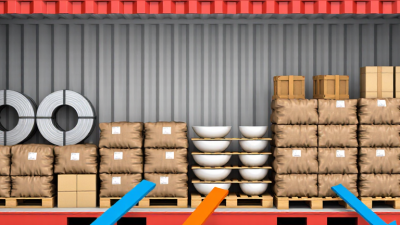
So, why pick Kraft Dunnage Bags for your global shipments? Well, most shipping issues don’t actually happen because of how far your goods travel. Instead, it's usually all about what happens once they’re inside the container. Things like sudden stops, rough handling, or stacking things unevenly can create pressure points that might lead to damages—costly stuff. That's where a good Kraft Dunnage Bag can really make a difference. It fills up those empty spaces and keeps your pallets stable during transit. Elena Morris, who’s a senior packaging engineer at Global Transit Packaging, put it pretty well: ‘The best dunnage solution prevents movement before damage even shows up.’ She’s not wrong—experience from the warehouse side definitely backs that up. But, of course, it’s still important to get the inflation right, put the bags in the right spots, and make sure they’re suitable for your cargo. Remember, a kraft dunnage bag isn’t a substitute for careful packing—it’s an added layer of protection. What’s great about these bags is that they’re tough, flexible, and easy enough to handle. Plus, their paper-based outer layer can appeal to companies aiming for more eco-friendly packing options. That said, don’t overstate their environmental advantages—recycling facilities aren’t the same everywhere, so it’s worth checking what's available in your destination. If you’re shipping internationally, make sure to double-check things like the size of the bag, inflation pressure, valve quality, and what the testing shows. A good supplier should give you clear specs, quality certificates, and info on how to use them safely. No bag is perfect for every container, so understanding their limitations is key. Think about how a steel coil, a load of ceramic tiles, or a bunch of cartons might shift or move during a rough ride. Those tiny gaps can turn into big problem areas. Using the right dunnage helps reduce that risk, keeping your shipment stable and safe. Plus, it can cut down on claims, avoid unnecessary repacking, and help prevent delays. All in all, choosing the cheapest option isn’t the smart move—it’s about matching the dunnage bag to your specific cargo weight, how your container is loaded, the route conditions, and handling methods. And yep, some careful testing still pays off. Even the strongest packaging can fail if not used properly, so don’t skip that step.
Read more »
Amelia By:Amelia - September 23, 2026
What Is a Ratchet Tie Down Strap and How Does It Work?

What Is a Ratchet Tie Down Strap and How Does It Work?

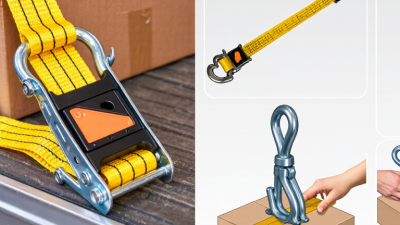
A Ratchet Tie Down Strap is actually a pretty handy tool when it comes to securing your cargo during transport. It combines sturdy webbing, a ratchet mechanism, and reliable hooks on the ends. The webbing slips through a slotted spool, and when you move the handle, it winds the strap tighter, pulling everything snug around your load. Now, the process itself looks pretty straightforward, but don’t let that fool you — it still needs your attention. Basically, you lay the strap over your cargo, hook each end to suitable anchor points, and then crank the handle until it feels tight enough. The goal is to get enough tension so that everything stays put, but not so much that you crush delicate stuff. Oh, and make sure the working load limit matches what you're hauling — don’t just go by looks. That’s a common mistake. Little things really matter here, like frayed edges, bent hooks, ripped stitching, or a sticky release lever. Always give the strap a quick check before you start. Keep the webbing flat, clean, and away from sharp corners — ya know, to prevent cuts. Using edge protectors can help prevent unnecessary damage too. One thing to remember: if you’re planning to lift something with it, make sure the manufacturer says it’s okay to do that. Not all straps are designed for lifting. Even folks who’ve been doing this for a while sometimes rush these safety checks — that’s where mistakes can slip in. This guide’s here to walk you through how a Ratchet Tie Down works, the right way to use it, and what warning signs to watch out for. It also points out those small habits we all might have, like rushing or skipping a quick check, that could actually endanger your cargo. The main aim is simple: keep your stuff safe. Be informed about your equipment, take your time tensioning it properly, and always double-check. And of course, always follow the manufacturer’s instructions—they’re the best reference for what your gear can handle safely.
Read more »
Evelyn By:Evelyn - September 18, 2026
7 Best Anti Skid Paper Suppliers for Global Buyers

7 Best Anti Skid Paper Suppliers for Global Buyers

When global buyers are choosing anti-skid paper, they’re often told to look beyond just a low price. Sure, cost matters, but what really counts are things like consistent grip, clean processing, and reliable export qualities. To help out, this guide highlights seven suppliers that are worth a closer look. According to Smithers’ research into the packaging market, there’s still a strong demand for lighter, recyclable, and high-performance materials. Their report, *The Future of Packaging to 2028*, emphasizes how suppliers are under pressure to boost sustainability—without sacrificing protection. That balance is pretty critical here. For example, a sheet that’s great at gripping boxes in a dry warehouse might slip during sea transport. Humidity changes everything. Reports from the Packaging Corporation of America and the International Safe Transit Association show pretty clearly why transit testing is a must. Damage often starts with the tiniest moves inside the load—those small shifts can turn into crushed corners, tilted pallets, and expensive claims. No supplier is perfect, of course. Walter Soroka, a well-respected expert in packaging tech, describes packaging as “the science, art, and technology of enclosing and protecting products.” That really hits home when you’re talking about anti-skid paper. It’s not just a rough sheet. It’s actually part of a whole load-stability system. When comparing options, consider factors like friction performance, basis weight, moisture resistance, recycled content, customization options, minimum order quantities, certifications, and how far they can deliver. It’s important they give you solid technical info—not just vague marketing fluff. Things like TAPPI T 549 testing, FSC certification, and documented quality controls help build trust. But hey, nothing beats real-world trials. Sometimes, an anti-skid mat can be perfect for warehouse handling, while coated anti-skid paper might work better for pallet layers or carton separators. The key is matching the right material to your specific load weight, surface texture, climate, and handling equipment. It’s a detail that’s easy to overlook but really shouldn’t be. In the end, choosing the right anti-skid solution is about understanding your needs and picking the option that fits best—not just going for the cheapest or most flashy offer.
Read more »
Amelia By:Amelia - September 15, 2026
7 Best Kraft Dunnage Bags for Global Shipping?

7 Best Kraft Dunnage Bags for Global Shipping?

When you ship stuff worldwide, your cargo faces a lot — vibrations, pressure, moisture, and sudden jostling. Picking the right Kraft Dunnage Bag can really help fill those empty gaps inside containers, trailers, and railcars. It’s especially useful for better load balance when your pallets aren’t all the same size. According to the UNCTAD Review of Maritime Transport, over 80% of global merchandise travels by sea. And the World Bank’s Logistics Performance Index 2023 explains how things like shipment dependability, quality, and supply chain visibility directly impact how goods get delivered internationally. So, controlling voids isn’t just a packaging detail — it’s a smart risk management move. Dr. Jay Singh, a packaging expert at California Polytechnic State University, puts it simply: “A package isn’t just designed to survive the lab — it needs to withstand the actual distribution environment.” That’s why it’s crucial to test different Kraft Dunnage Bags against real-world conditions — considering the load, the size of the empty space, how it’s transported, and inflation pressures. What works fine on a short ocean route might need a different setup for a train shipment. Those small details really make a difference. And here’s the thing: the biggest, most expensive bag isn’t always the best choice. The right one depends on the paper quality, inner liner, valve design, certifications, and pressure rating — all matching your specific needs. Claims from suppliers might sound fancy, but it’s better to look for independent test results. This guide focuses on what actually matters — how well the bags perform in real life, how easy they are to handle, environmental info, and how thoroughly they’re tested. But here’s a reality check: no single bag is perfect for every shipment route. Think of this as a helpful shortlist to guide your decision, not a promise of perfection. And before sealing the load, folks should still double-check for sharp edges, proper pallet alignment, and correct inflation — little things that really count. Hopefully, this advice helps you make smarter choices next time you’re shipping stuff across the world!
Read more »
Amelia By:Amelia - September 10, 2026