







What factors affect the HDPE and PP recycled particle market from 2026 to 2028?
Policies and regulations are the most important mandatory driving force for the recycled plastic market, directly shaping the market supply and demand structure by setting recycling targets, admission standards, and economic incentives. The major economies around the world have formed a policy system of "legislation first, standard matching, and economic leverage adjustment", which will have a profound impact on the market from 2026 to 2028.
1. EU: From "Directive Requirements" to "Full Chain Control"
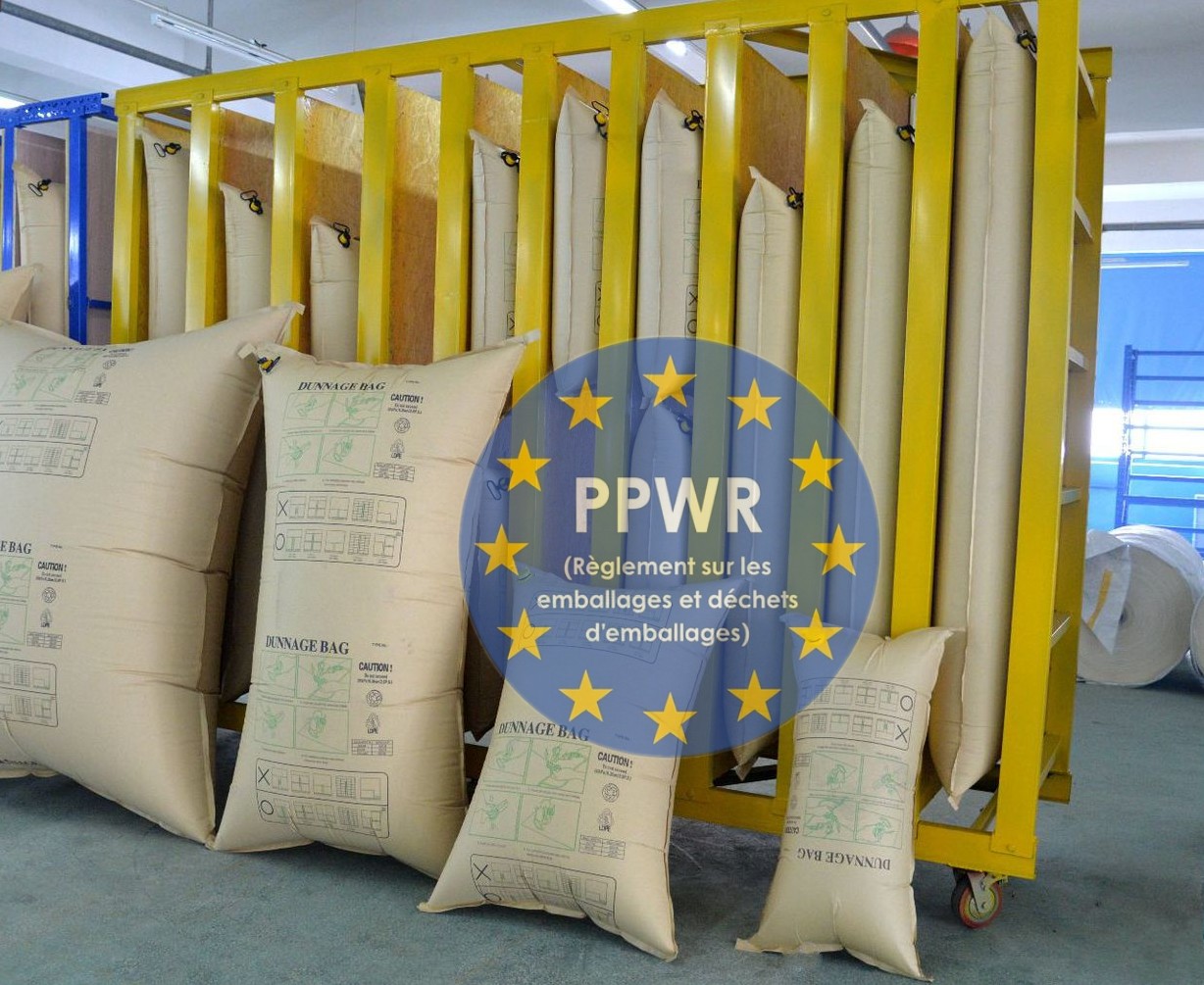
The EU's Packaging and Packaging Waste Regulation (PPWR) requires that the proportion of recycled materials in packaging should not be less than 30% by 2030, and the application of HDPE and PP in the food contact field must meet strict traceability and purity standards.
Core countries such as Germany and France have further strengthened their implementation regulations, for example, Germany requires a plastic packaging recycling rate of 63% by 2027, directly driving demand for food grade rHDPE and rPP.
The regulations also promote the deepening of Extended Producer Responsibility (EPR), which requires brand enterprises to bear the full chain cost from product design to waste recycling, stimulating their procurement of recycled materials to avoid compliance risks.
2. China: Improvement of Standard System and Regional Implementation Differentiation
China will implement the "Guidelines for Design of Recyclable Plastics" series of national standards (GB/T 46020.2-2025, etc.) in February 2026, clarifying the classification, labeling, testing methods, and application scenario limitations of HDPE/PP recycled materials.
Industrial clusters in East and South China are forcing enterprises to upgrade their equipment through the "environmental red and yellow card" system, while some central and western regions may form short-term cost valleys due to differences in implementation.
In addition, China's "dual channel" management of recycled plastic imports (prohibited and restricted categories) will continue to affect the structure of raw material supply and promote enterprises to shift towards the construction of domestic recycling systems.
3. North America: State level legislation takes precedence and brand commitment is linked
The California Recycled Plastic Content Act requires that the proportion of recycled materials in plastic beverage bottles be ≥ 50% by 2030, while New York State imposes a "plastic tax" on disposable packaging (the tax rate is linked to the recycled material content). Although there is no unified standard at the federal level, the ESG commitments of top brands such as Coca Cola and Pepsi (such as 50% recycled materials in packaging by 2030) have formed a market forcing mechanism, promoting breakthroughs in the application of high-purity rHDPE in the food packaging field.
Policy differences will exacerbate market differentiation: the European and North American markets have become the main payers of high value-added recycled materials due to regulatory clarity and enforcement rigidity; Emerging economies may maintain cost advantages in the mid to low end product sector due to policy lag, but face potential impacts from trade barriers such as the EU carbon border adjustment mechanism.