


Plastic Products: Export Guide for Plastic Slip Sheet to Europe to Avoid Pitfalls
The export of slip sheets to Europe needs to focus on avoiding three major risks: environmental protection, certification, and logistics adaptation. The following are targeted pit avoidance guidelines:
1. Ensure compliance with EU environmental and chemical regulations
REACH regulation: If plastic products contain SVHC (substances of high concern) with a concentration of ≥ 0.1%, they must be notified to the supply chain and submitted to ECHA for notification when the annual export volume exceeds 1 ton.
RoHS Directive: If the slip sheet is used for the transportation of electronic products (such as exported electronic products), its plastic components must pass RoHS testing to ensure that harmful substances such as lead, cadmium, mercury, hexavalent chromium, etc. do not exceed the standard.
Packaging Directive (94/62/EC): As a logistics packaging material, it is necessary to ensure that the total content of heavy metals (lead, cadmium, mercury, hexavalent chromium) is ≤ 100 ppm and provide a compliance test report.
✅ Suggestion: Before export, entrust an EU accredited laboratory to conduct REACH-SVHC screening and heavy metal testing, and keep the DoC (Declaration of Conformity) document for customs clearance.
2. Obtain key certifications to enhance market access competitiveness
SGS certification: Aoli Pack slip sheet has obtained SGS environmental and tear resistance testing certification. It is recommended to prioritize or apply for it on your own to enhance customer trust.
CE certification: Although not mandatory for all types of plastic slip sheet, if the product involves load-bearing structure design or is used in specific industrial scenarios, it is recommended to actively apply to meet customer requirements.
EPR registration: According to the "Extended Producer Responsibility" system, EPR registration and payment of recycling fees must be completed in the target country (such as LUCID in Germany and CITEO in France), otherwise the platform may be taken down or fined.
✅ Suggestion: The European market prefers environmentally friendly labeled products, and the use of HDPE material with a recycled material ratio of ≥ 30% can meet the green certification requirements of Germany's "Blue Angel" and enhance premium capabilities.
3. Logistics and usage scenario adaptation to avoid pitfalls
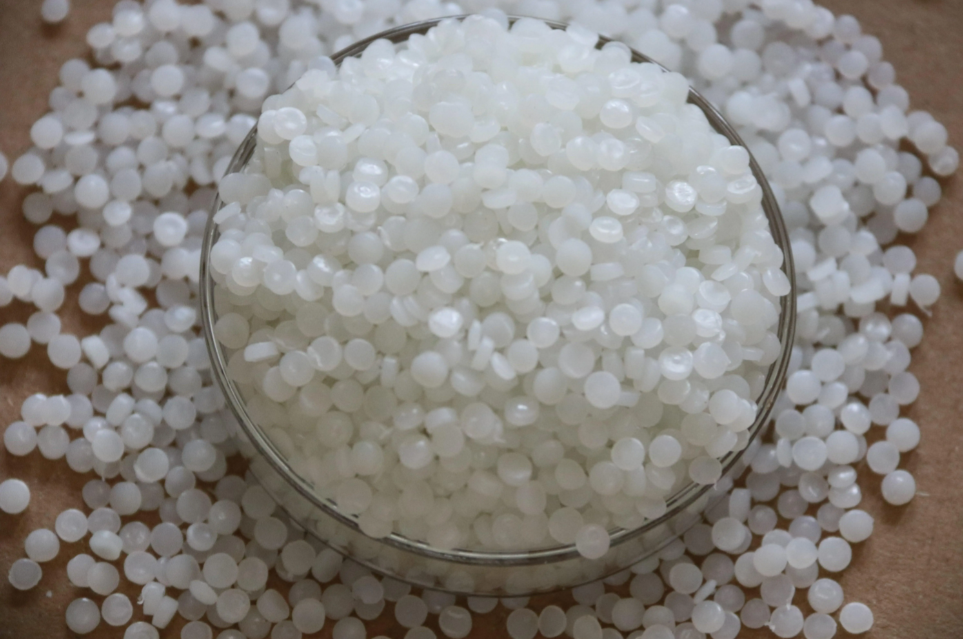
Material selection: It is recommended to use HDPE (high-density polyethylene) material, which has excellent low temperature resistance (suitable for winter storage environments in Europe) and anti magnetic properties to avoid interference with electronic products. Aoli pack slip sheet used HDPE for slip sheet production.
Size customization: Optimized design based on container space, common specifications such as (1200+80) × (1000+80) mm, can be added with double-sided/four sided folding edges to enhance stability.
Reusability: Plastic slip sheet can be recycled and reused, with a much higher turnover rate than Paper Slip Sheets, reducing long-term logistics costs and in line with the European circular economy trend.
⚠️ Avoiding pitfalls: Avoid using restricted plastic materials such as PVC, as some countries have implemented import restrictions on them.