


Market Trends and Strategic Analysis of Recycled Plastics from 2026 to 2028
Regional market development trend
1. East China region: China's core consumption and manufacturing hub
The East China region (including core markets such as Yuyao and Shanghai) is a technological highland and demand center for China's recycled plastics industry, with an expected CAGR of 7% -8% in market size from 2026 to 2028. The demand side mainly consists of injection grade and extrusion grade recycled particles, which are widely used in packaging (accounting for about 40%), automotive parts (25%), and building materials (20%) fields.
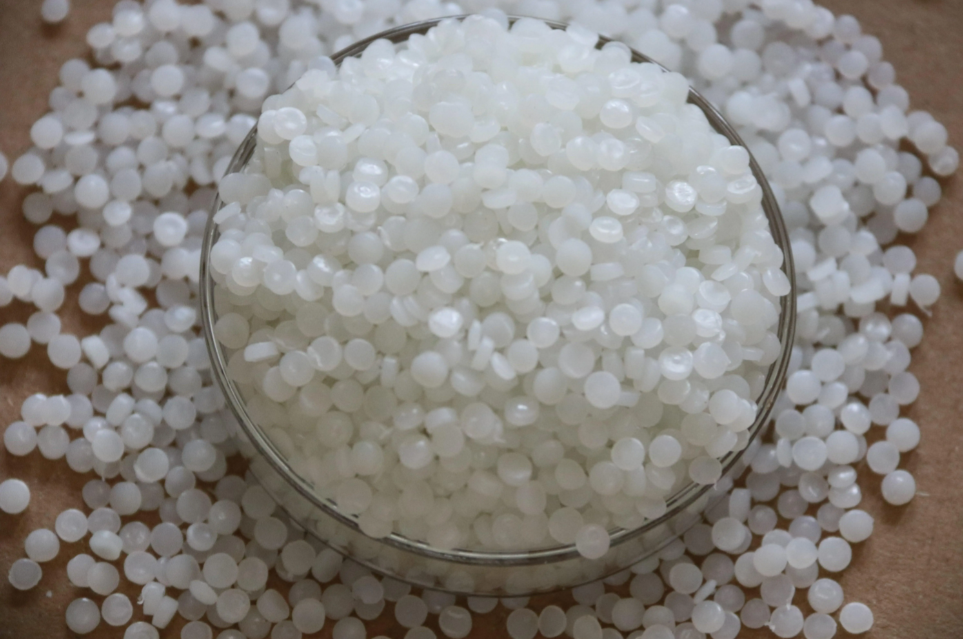
• Price dynamics: The mainstream price range for HDPE recycled particles in East China in 2025 is 7300-7600 yuan/ton (Daqing Petrochemical's 5000S is priced at 7400 yuan/ton, and Dushanzi Petrochemical's 5502 is priced at 7300 yuan/ton). It is expected that the price center may shift to 7500-8000 yuan/ton in 2026 due to fluctuations in new material prices and environmental production restrictions.
• Change in demand: The trend of lightweighting in automobiles is driving the application of PP recycled particles in components such as bumpers and instrument panels. In 2025, the price of PP recycled particles in East China will be about 5500 yuan/ton (Jiangsu Suqian white transparent high-quality first grade particles), and the demand may increase by 12% -15% in 2027.
2. South China region: export-oriented and policy sensitive market
The South China region (mainly Guangdong and Fujian) relies on port advantages, with exports accounting for over 35%, mainly targeting Southeast Asia and Europe. The CAGR of market size from 2026 to 2028 is expected to be 6% -7%, slightly lower than that of East China, mainly affected by international trade policies and fluctuations in raw material supply.
• Price fluctuations: In 2025, the price of recycled PP in Guangdong will be 5700-5950 yuan/ton, and the price of recycled PE in Fujian will be 5000-6050 yuan/ton. If the EU tightens its import certification for recycled materials, export prices may face a premium pressure of 5% -8% in 2027.
• Demand structure: Blow molded grade HDPE recycled particles (used for daily chemical bottles and food cans) account for over 50% of the demand. Due to the concentration of pipe manufacturing in Fujian, the demand for low melt index HDPE recycled materials (melt index 0.3-0.8) is increasing by 8% annually.
3. Europe: High growth markets driven by policies
Europe is the region with the strictest policies and most advanced technology for recycled plastics, with an expected CAGR of 9% -10% in market size from 2026 to 2028, with Germany, France, and Italy as core consumer countries.
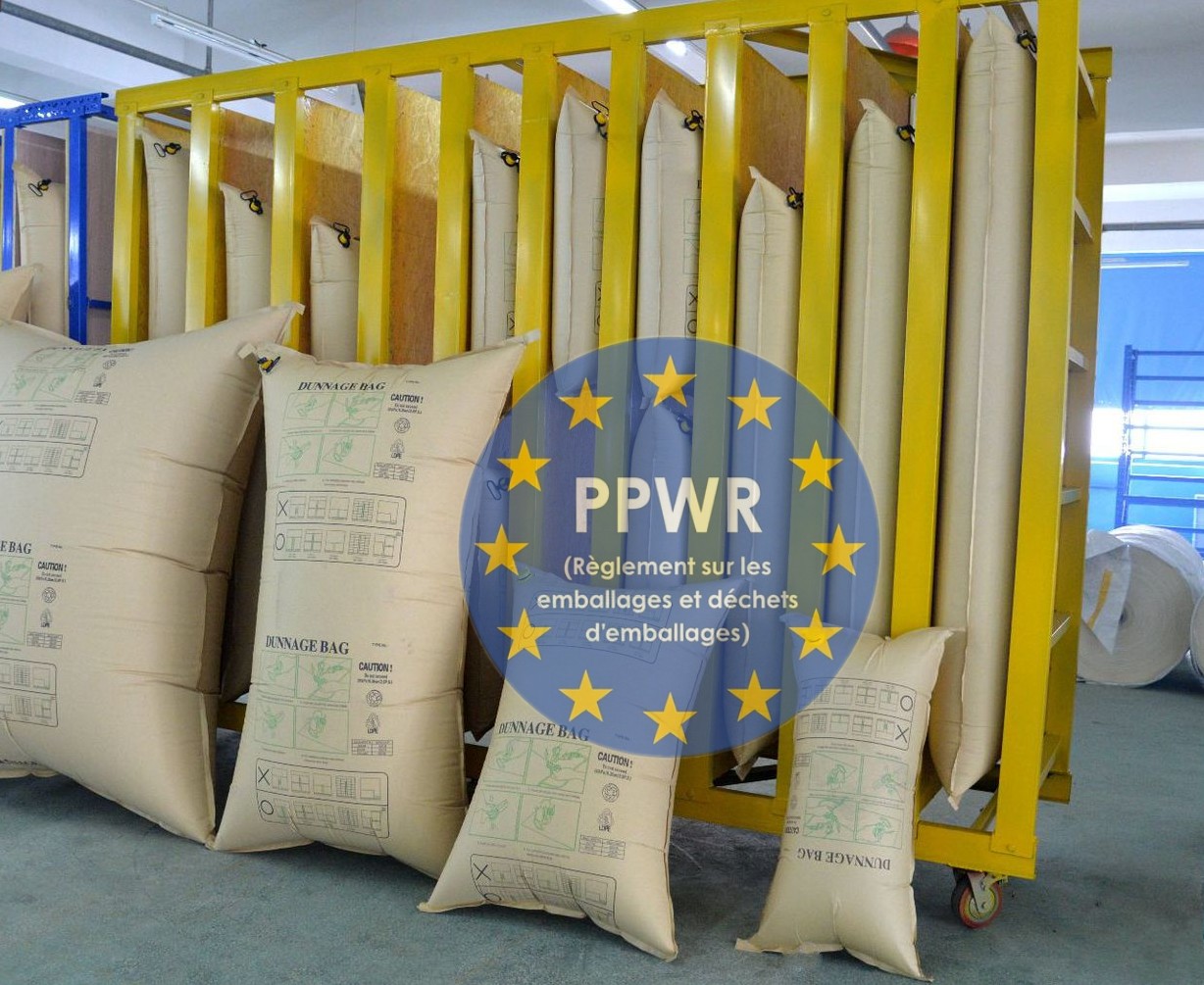
• Demand explosion point: The EU's Packaging and Packaging Waste Regulation (PPWR) requires that the proportion of recycled materials in packaging should not be less than 30% by 2030, directly promoting the demand for food grade HDPE and PP recycled particles. It is expected that the demand for rHDPE in Europe will reach 1.8 million tons and rPP will reach 1.5 million tons by 2027.
• Price trend: In 2025, the price of rHDPE natural color granules in Europe will be around 1350-1370 US dollars per ton (FD Hamburg, Germany), with a premium of 15% -20% compared to the same period for new materials. In 2028, there may be a slight decline due to concentrated production capacity, but the premium space will still remain above 10%.
4. North America: Brand leadership and technological upgrade with dual wheel drive
The North American market is characterized by high value-added applications, with food contact grade and medical grade recycled particles accounting for over 25%. The market size CAGR is expected to reach 8% -9% from 2026 to 2028.
• Demand driven: The California Recycled Plastic Content Act requires that the proportion of recycled plastic in plastic beverage bottles be ≥ 50% by 2030, driving a surge in demand for rPET and rHDPE. The market size of PP recycled pellets in the United States is expected to increase from $1.5 billion in 2025 to $2 billion in 2028.
• Regional differences: The West Coast of the United States (California, Washington State) focuses on environmentally friendly packaging, while the East Coast (New York, New Jersey) focuses on automotive parts applications. In 2025, the price of rHDPE in the United States will be approximately $1631/ton (Q2, USA), which is 5% -8% lower than Europe.
Enterprises need to optimize their product portfolio and technology roadmap according to the target market demand.
Aoli Pack will achieve differentiated breakthroughs through "segmented market focus, deep regional binding, and rapid technological iteration".
1. Vertical domain specialization: Targeting high value-added application scenarios
Focusing on a single category or specific industry (such as recycled HDPE plastic slip sheet), forming stable quality through process optimization, and signing exclusive supply agreements with regional major customers.
2. Deep cultivation of regional services: building a localized supply chain network
Utilize geographical advantages (such as closing to Shanghai port and airport) to reduce logistics costs, provide "instant delivery+small batch customization" services, and meet the "multi variety, low batch" needs of small and medium-sized enterprises.
3. Rapid technological follow-up: Focus on single point process innovation
Targeting the technological pain points that have not yet been monopolized by top enterprises (such as color difference control and improving the purity of recycled materials HDPE slip sheet), through school enterprise cooperation to quickly iterate processes, forming a "small but specialized" technological barrier.
4. Policy dividend capture: binding regional circular economy projects
Track local environmental policies (such as the "White Pollution Control" special project in the Yangtze River Delta), apply for comprehensive resource utilization certification, and achieve stable profits through the "policy subsidy+targeted supply" model.
In summary: In the next 3 years, the competition in the recycled plastic market will shift from a "price war" to a "value war". Enterprises need to choose the track according to their own resource endowments - top enterprises seize the global high-end supply chain, medium-sized enterprises root in regional segmented markets, and small manufacturers need to seek survival space through extreme specialization.