


How to reprocessing the slip sheet according to European regulations on recycling (Packaging and Packaging Waste Regulation)?
Physical recycling (currently mainstreamcurrently)
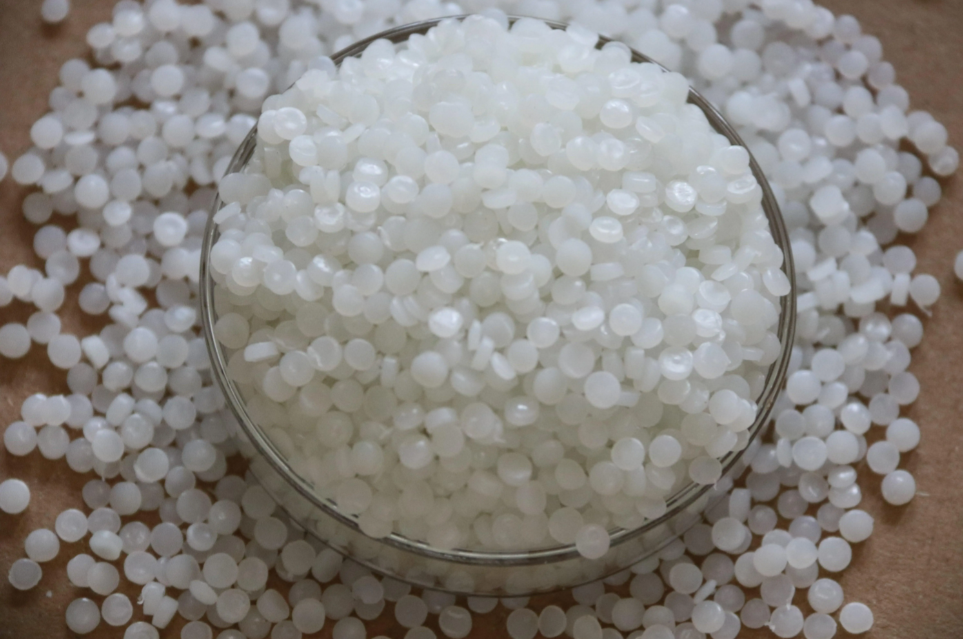
Suitable for clean, single material HDPE plastic sheets, with mature technology and low cost, but the performance of recycled materials will deteriorate with the number of cycles.
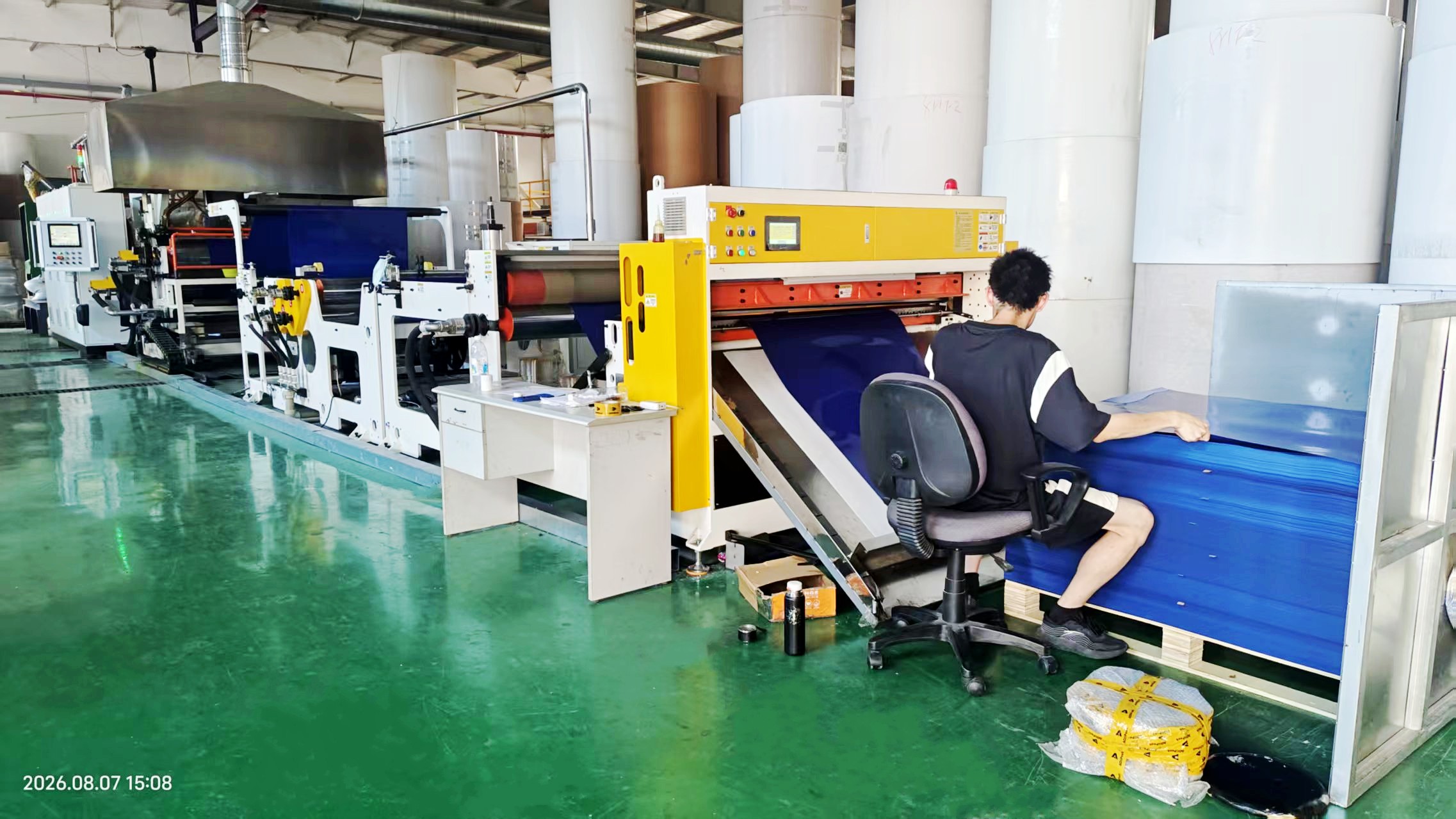
Preprocessing stage
- Sorting and removing impurities: manual preliminary selection+AI optical sorting (with recognition accuracy of over 99.5%), removing impurities such as PVC and metals.
- Cleaning and stain removal: Three level cleaning (coarse washing → alkaline solution/ultrasonic fine washing → rinsing), with ash content controlled below 0.05%.
- Drying: Vacuum or hot air drying to reduce the moisture content to within 0.5%.
Processing and Forming Stage
- Crushing: Grind to particles of about 30mm and ensure uniformity.
- Melting granulation: Adopting a double-stage compound extruder and an 8-layer 120 mesh filter process, which canachieve "one-time melting+secondary homogenization", with high impurity filtration efficiency and a regenerated material purity of 99.5%.
- Modified reinforcement: Adding antioxidants, toughening agents, etc. to compensate for the performance loss caused by molecular chain degradation (such as a 40% increasingin impact strength).
Product application
Recycled HDPE particles can be used to manufacture agricultural drip irrigation pipes, building waterproofing membranes, automotive components, etc., also could meet certification standards such as GRS.
Chemical recycling (high-value direction)
Suitable for severe pollution or mixed waste plastics, achieving "primary recycling" through molecular disassembly.
Pyrolysis/catalytic cracking: Decompose HDPE into hydrocarbon monomers or fuel oil, and re polymerize them as chemical raw materials.
Challenge: High equipment investment and operating costs is about three times that of physical recycling.
Key technological innovation points
Intelligent sorting: AI vision+near-infrared spectroscopy (NIR) improves sorting accuracy to 99.8%.
Efficient filtration: The Gneuss Rotofil ® rotary filter system can continuously removes impurities of ≥ 10 μ m.
Environmental protection and energy conservation: closed-loop water circulation (utilization rate of 90%), waste heat recovery, reducing energy consumption by 60%.
Note: If the plastic sheet contains additives (such as carbon black) or blends with other plastics (such as PP, LDPE), the stabilizer formula needs to be adjusted to ensure thermal stability.