


How to inflate container dunnage bags?
Inflation steps of cotnainer dunnage bag
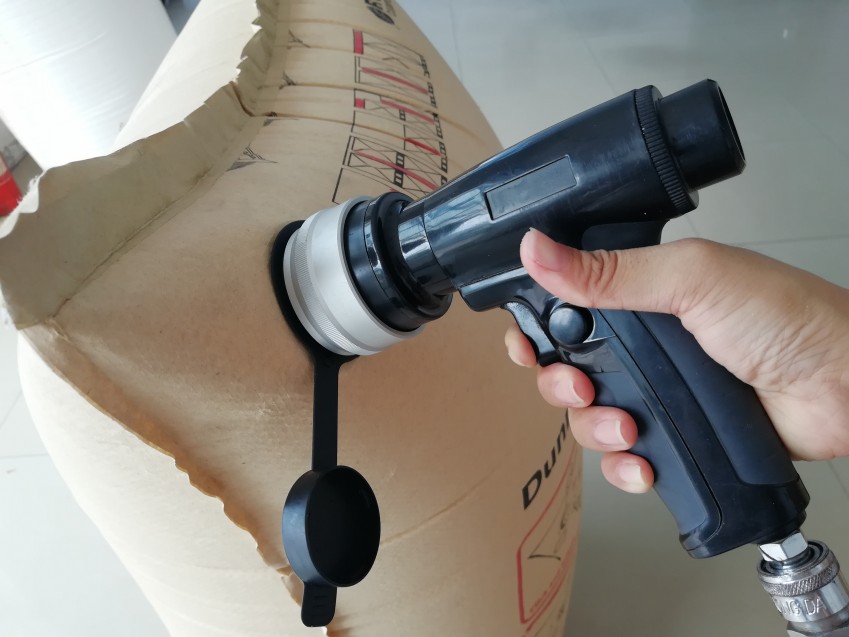
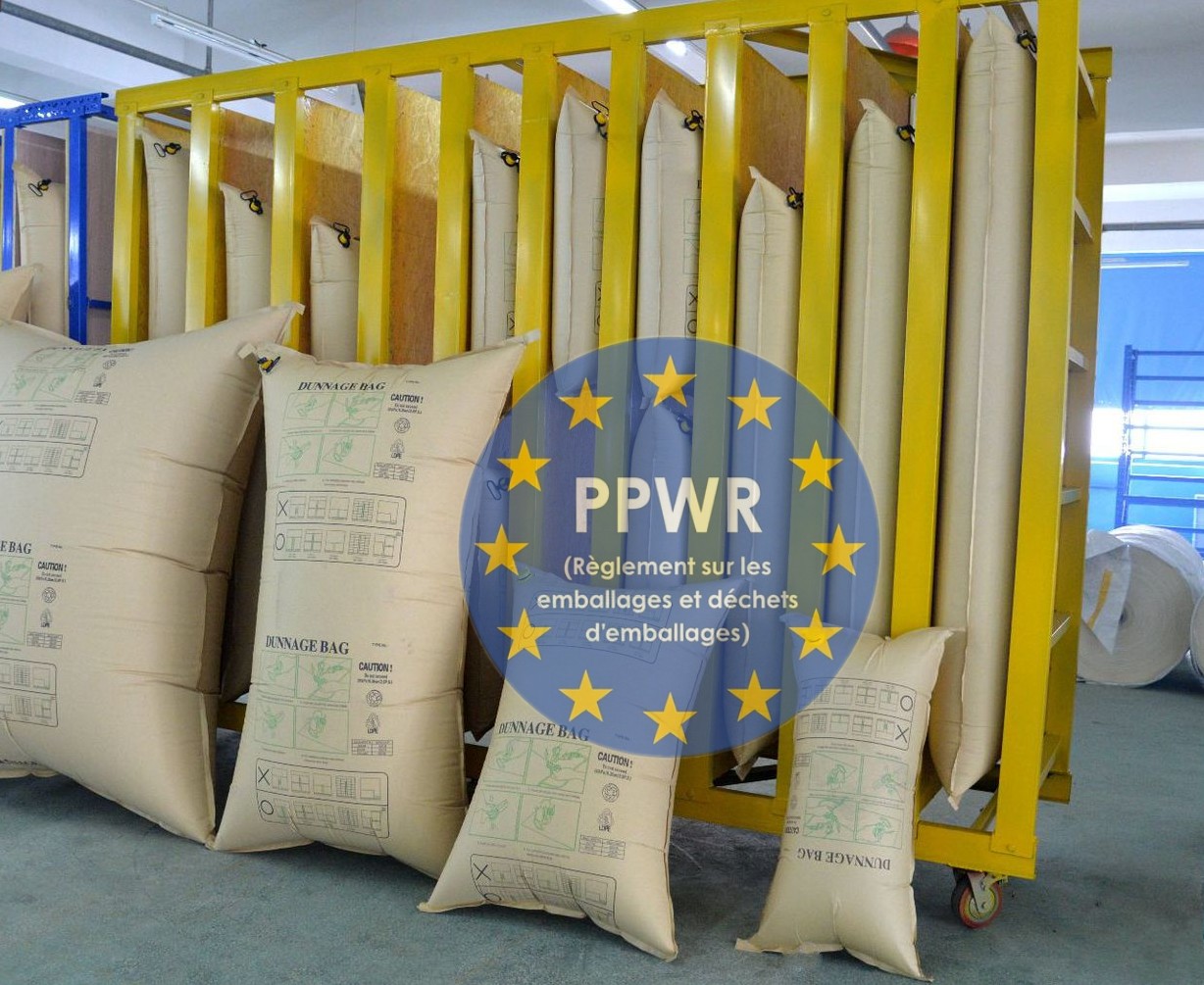
Preparation tools: An air compressor, or pull a high-pressure air pipe from the workshop and connect it to an air gun or a dedicated inflation connector.
Pre inflation: Before packing, fill the airbag with about 70% to 80% gas outside the box, and then place it in the cargo gap. This can better fit the gap and significantly accelerate the packing speed.
Docking inflation: Loosen the buckle at the tracheal interface, insert the inflation connector into the tracheal opening, loosen the buckle to tighten the connector, and then start inflating.
Stop when in place: When the airbag is firmly pressed against the goods on both sides, stop. Do not inflate too much, as excessive inflation can easily burst the bag and pose a risk of injury.
Air pressure control is crucial. It is recommended to adjust the pressure of the air compressor to within 0.8kg, and maintain the working pressure at around 0.5-1kg/cm ² to avoid overpressure.
Precautions when inflate the dunnage air bags
Anti puncture: When the goods have sharp corners (such as wooden pallets or wooden boxes), it is necessary to add corrugated cardboard or other flat boards on both sides of the airbag, otherwise it is easy to puncture and leak during transportation.
Automatic air lock: The airbag is equipped with a one-way check valve, which will automatically seal after filling and pulling out the tool, without the need for manual sealing or tape application.
Don't put it by the door: Avoid stuffing the inflatable bag between the cargo and the container door to prevent it from popping out and injuring people when the door is opened.
Check for air leakage: After filling, check if the air valve is tightened and if there is any air leakage. After confirming that there is no problem, close the box door.
How to choose correct size of dunnage bag?
Measure the width, height, and depth of the gap between the goods first, and then select the corresponding specification of airbag. Generally, the gap width should be slightly smaller than the thickness of the inflated airbag.
For example, a 500 × 1000mm bag is suitable for a gap of about 250mm wide, and a 1000 × 2400mm bag is suitable for a gap of about 500mm wide.