


How to deal with slippery packaging of goods?
Recommended main anti slip solutions
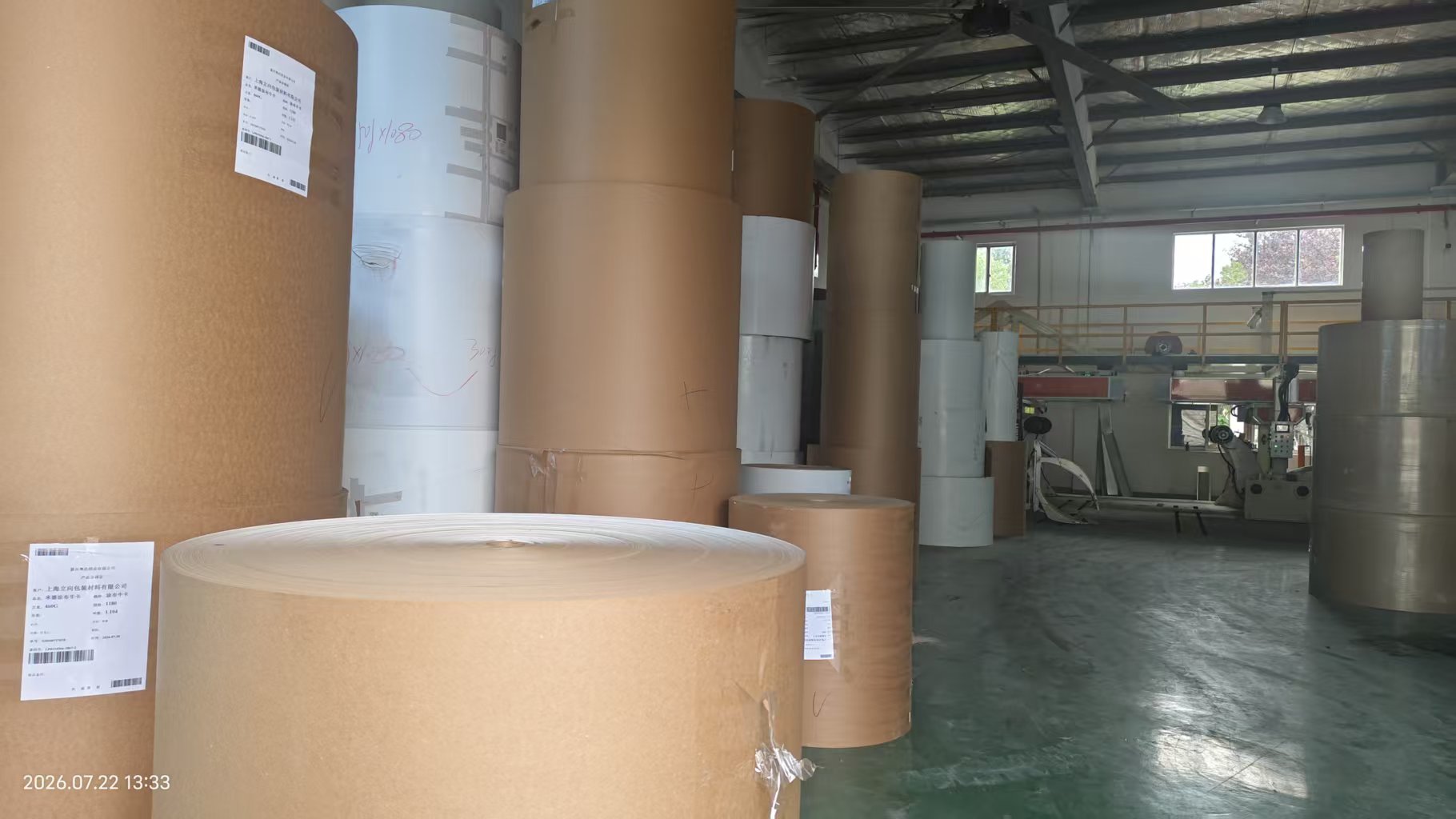
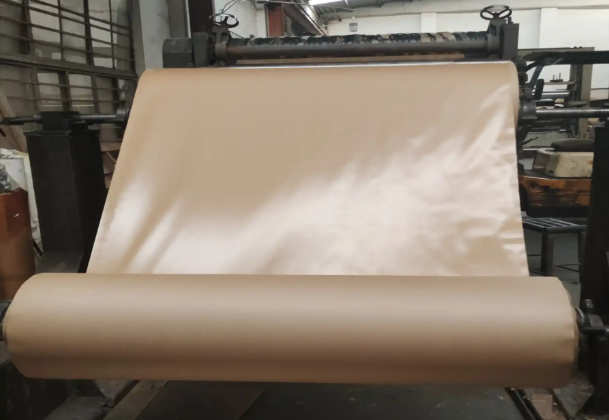
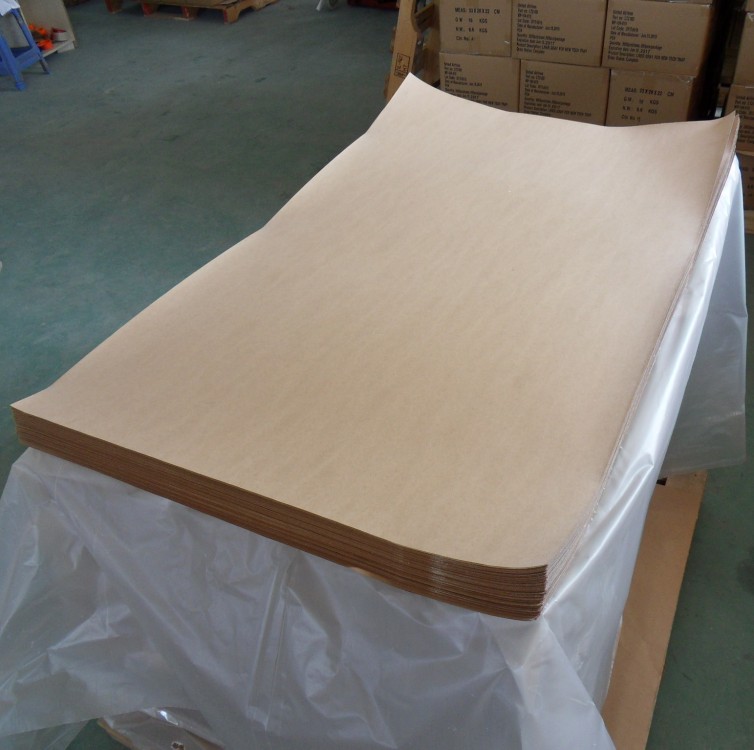
1. Anti Slip Paper (tray anti slip paper/interlayer anti slip paper)
Placed between goods and pallets or between each layer of goods, serving as a 'sandwich'.
The material is environmentally friendly kraft paper, with double-sided coating treatment, high friction coefficient, and is still effective in humid environments.
Can be reused 5-10 times, suitable for manual and automated palletizing operations.
Commonly used in industries such as food and beverage, electronics, machinery, cross-border e-commerce, etc.
2. Anti Slip Mats and anti slip trays
Rubber anti slip mats or textured designs are added to the surface of plastic trays to enhance grip.
Suitable for high-frequency usage scenarios such as internal warehouse turnover and cold chain transportation.
3. Auxiliary measures
Use wrapping stretch film or strapping to secure loose goods.
Install protector at the edge of the pallet to prevent cylindrical goods from rolling off.
Control the humidity in the warehouse to avoid slipping caused by surface condensation.
Detailed recommendations and technical points according to the type of goods
1. Food and beverage categories (such as bottled water, canned food, bagged snacks)
Such goods often suffers oil stains and humid environments, and it is necessary to ensure that the anti slip materials are non-toxic and residue free. It is recommended to use anti slip paper as interlayer cushioning material. Its double-sided coated kraft paper structure can maintain a high friction coefficient (≥ 0.6), which is effective even in wet conditions and can be recycled 5-10 times. At the same time, food grade glycerin anti-slip agents that comply with GB 2760 and FDA standards can be used to safely contact the packaging surface without causing contamination.
2. Electronic components (such as PCB boards, IC chips, precision instruments)
The requirements for anti-static and shock resistance are extremely high, and the use of adhesive materials that may generate static electricity or chemical residues is prohibited. It is recommended to use a combination of anti slip paper and anti-static foam lining. The anti slip paper should have anti-static performance with a surface resistance of ≤ 10 ⁹ Ω, and be paired with foam with a density of ≥ 30kg/m ³ to provide cushioning. Prioritize using anti-static turnover boxes to avoid risks caused by spray glue or tape.
3. Cold chain goods (such as frozen meat, frozen food, refrigerated drugs)
Facing the problem of low-temperature condensation, it is easy to cause the tray to slip. Recommend using EPDM rubber anti slip mats that can withstand temperatures ranging from -40 ℃ to 80 ℃, with surface protrusions designed to enhance grip; Alternatively, choose a steel tray embossed surface (such as diamond patterns or stamped protrusions) to increase friction by 30% -50%. It is recommended to use a humidity sensor to trigger an alarm when the relative humidity exceeds 70%, and promptly dehumidify and prevent slipping.
4. Dangerous chemicals (such as strong acids, flammable liquids, toxic powders)
Prohibit adhesive materials to prevent friction sparks or leakage risks. Steel pallets, anti slip protrusions on the surface, and surrounding baffle structures should be used. The pallets should be welded with circular protrusions (spaced 10-15cm apart), and the baffle height should not be less than 5-10cm to prevent slipping and tipping. Assisted by wrapping film for fixation, but only for auxiliary purposes and cannot replace structural anti slip design. Explosion proof forklifts must be used during homework, and dragging and rolling are strictly prohibited.
5. High stack or irregular goods (such as steel coils, barrels, and irregular mechanical parts)
Easy to roll or slide, requiring multiple protections. It is recommended to use a combination of corner board, packing strapping, and bottom anti slip paper or anti slip rubber mat. The height of the boards should reach more than one-third of the height of the goods. The packing tape should be horizontally wrapped for no less than 3 turns and maintain a tension of ≥ 200N. An anti slip paper or anti slip mat should be laid at the bottom to prevent the overall sliding of the pallet and ensure stable stacking.
6. General goods (such as clothing, daily necessities, cardboard boxes)
Mainly focused on cost control and convenient operation. Recommend using regular anti slip paper, suitable for manual and automated palletizing; Alternatively, anti slip pallets with wavy or serrated patterns can be used to increase friction without the need for additional materials, making them suitable for most warehousing and transportation scenarios.
Key operation tips
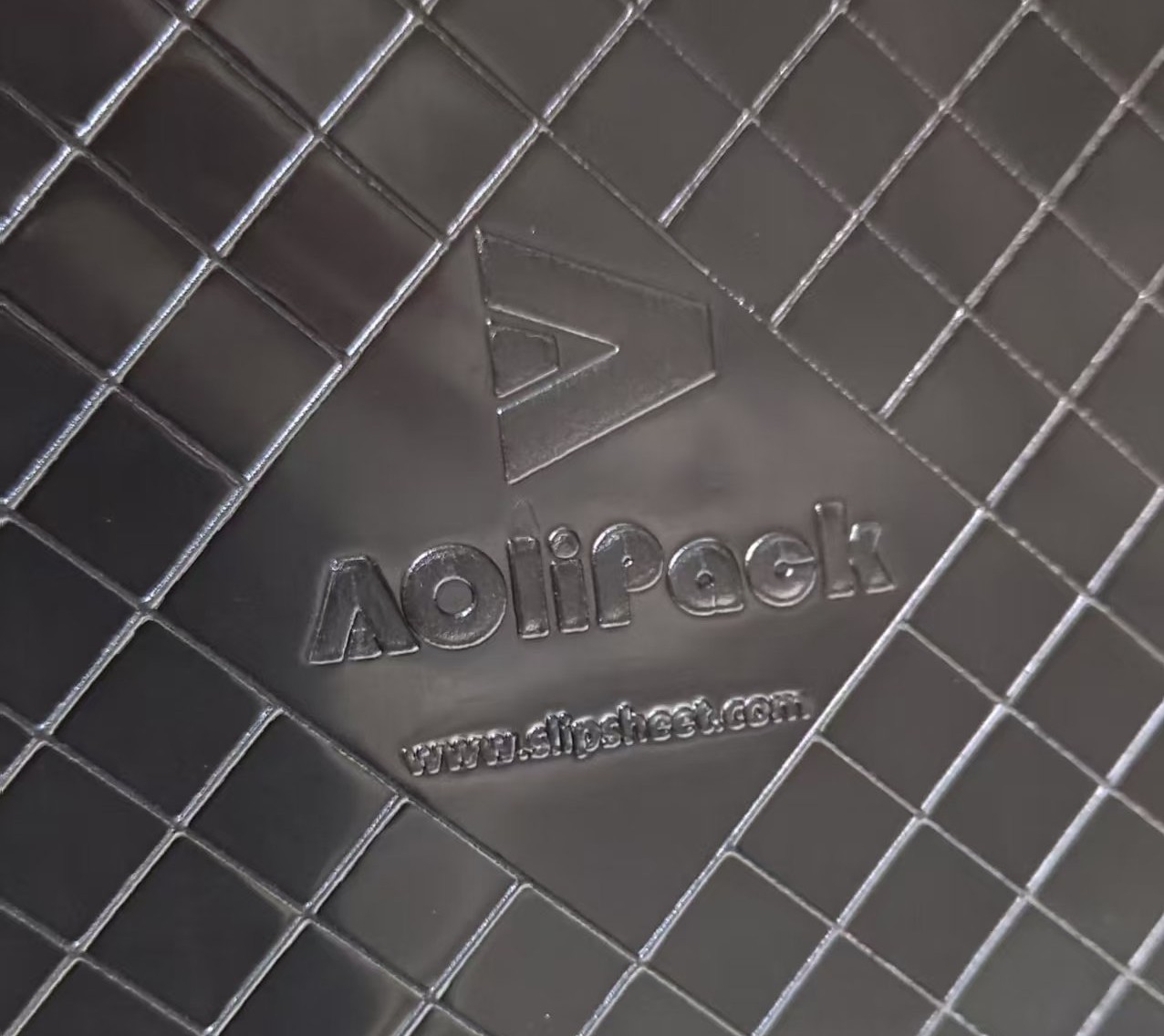
Prioritize using double-sided anti slip paper (such as aoli pack anti slip paper sheet) to enhance the actual anti skid effect.
Steel pallets are preferred for cold chain and hazardous chemical transportation, while textured plastic pallets are optional for ordinary goods.
When the environmental humidity exceeds 70%, dehumidification measures must be activated, as condensation is the main cause of anti-skid failure.
Check the wet friction coefficient of anti-skid materials every quarter, and replace them promptly if it is lower than 0.25.