



How to customize anti slip paper according to packaging size?
1. Measure and adapt packaging dimensions
Accurate measurement: Record the inner diameter, outer diameter, and manufacturing dimensions of the packaging to ensure that the anti slip paper is fully adhered to the packaging, avoiding sliding caused by being too small or wasting materials due to being too large.
Gap design: Reserve appropriate gaps (such as 2-5mm) between the Anti Slip Paper and the packaging to prevent friction damage and enhance stacking stability.
2. Choose Anti Slip Materials and processes
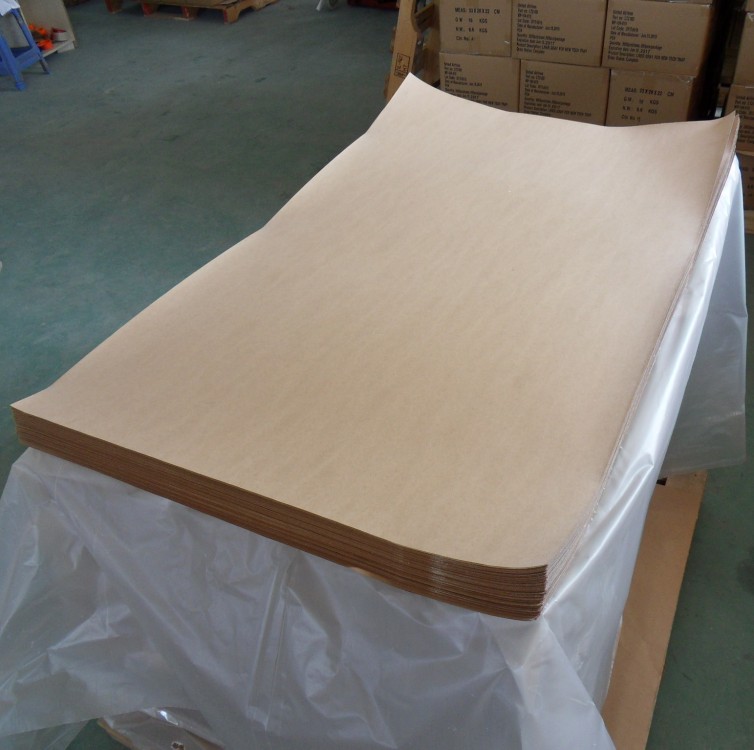
Material type: Choose high friction coefficient coatings (such as silicone dot printing, frosted UV) or textured materials (such as special corrugated cardboard, EVA foam) according to industry needs.
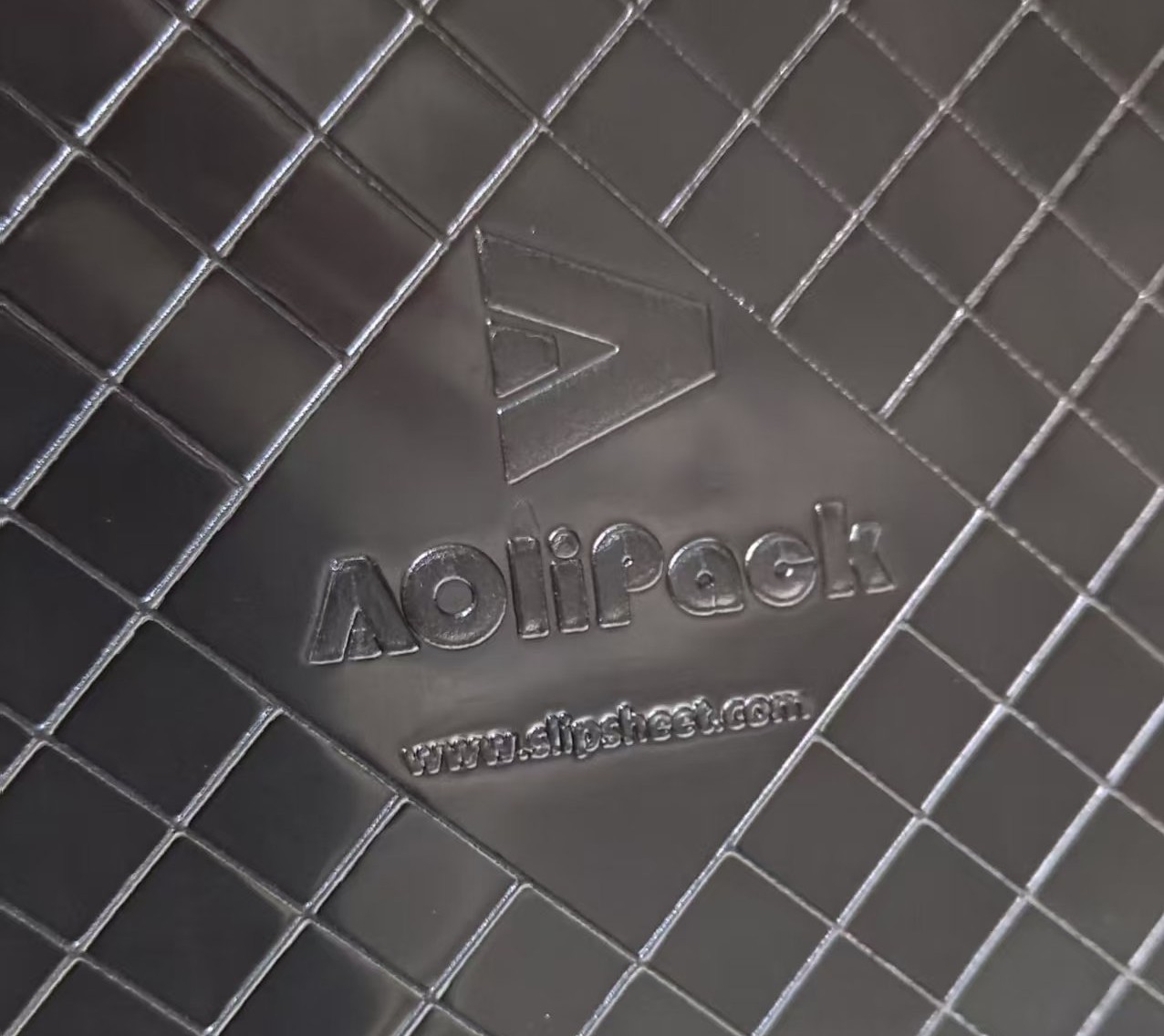
Structural optimization: Enhance grip strength through embossed, raised or grooved design, and add edge reinforcement structure to packaging that is easy to slide.
3. Cost and Production Control
Batch procurement: Large orders can reduce unit prices, for example, purchases of 10 tons or more may enjoy a 10% -20% discount.
Process simplification: Avoid complex die-cutting or panel design, reduce waste of edge materials and processing costs.
4. Industry adaptation cases
Electronics industry: anti-static and low sulfur are required, and it is recommended to use anti slip paper certified by ROHS.
Food industry: Choose environmentally friendly materials (such as recyclable kraft paper) and comply with food safety standards.
By following the above steps, it can be ensured that the anti slip paper meets specific industry requirements in terms of size, performance, and cost.