


How is the performance of push pull slip sheet market?
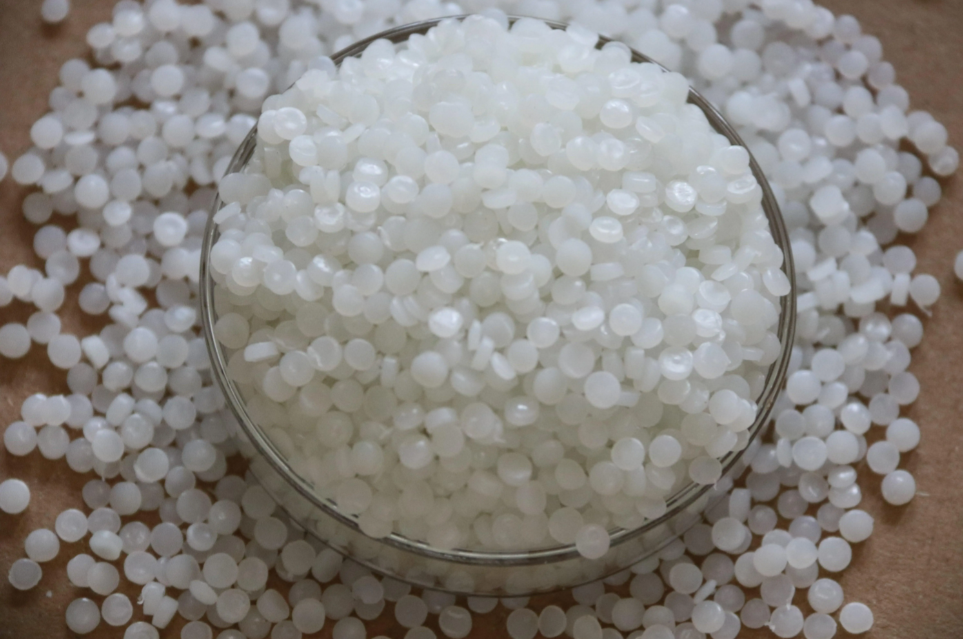
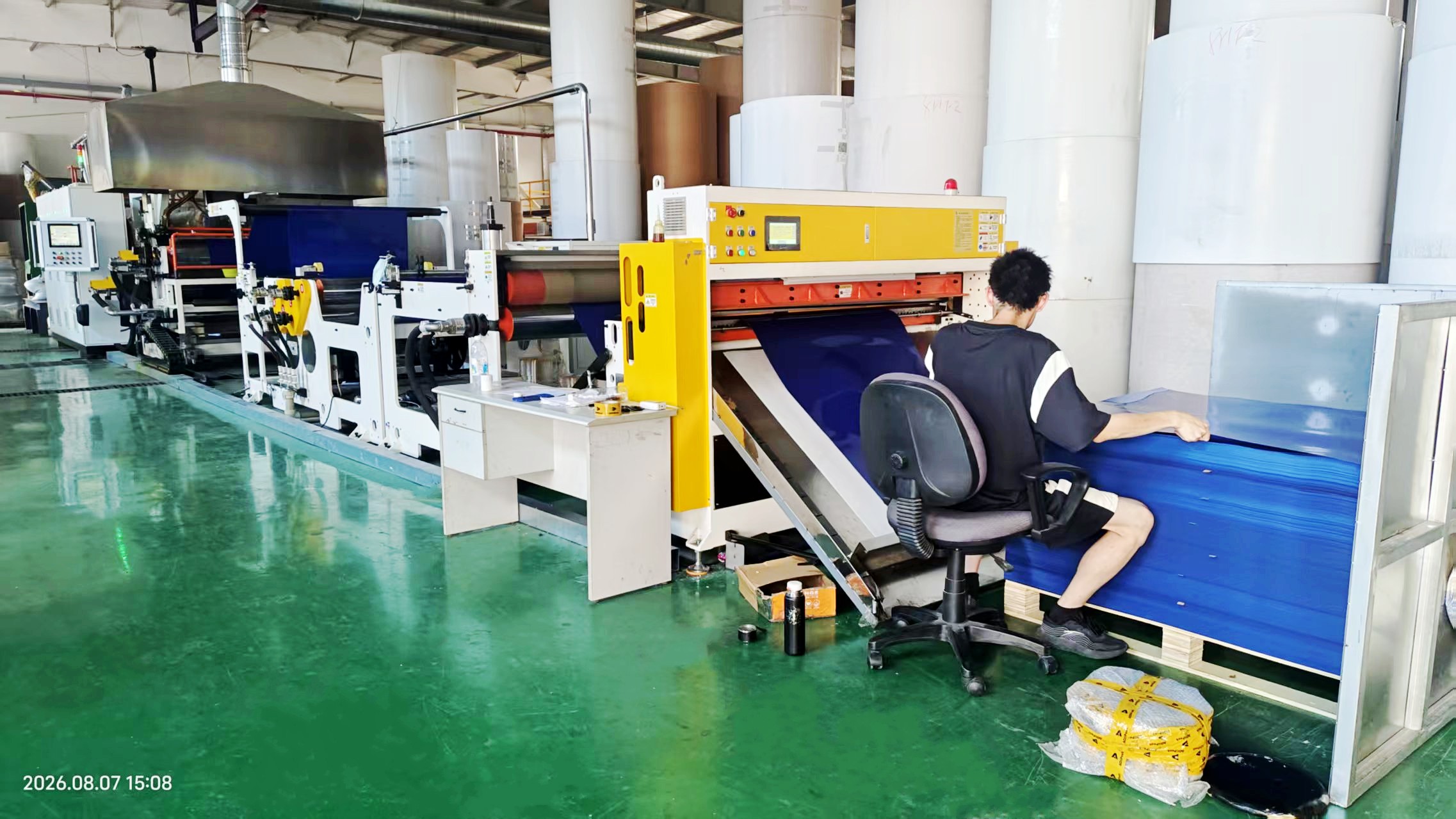
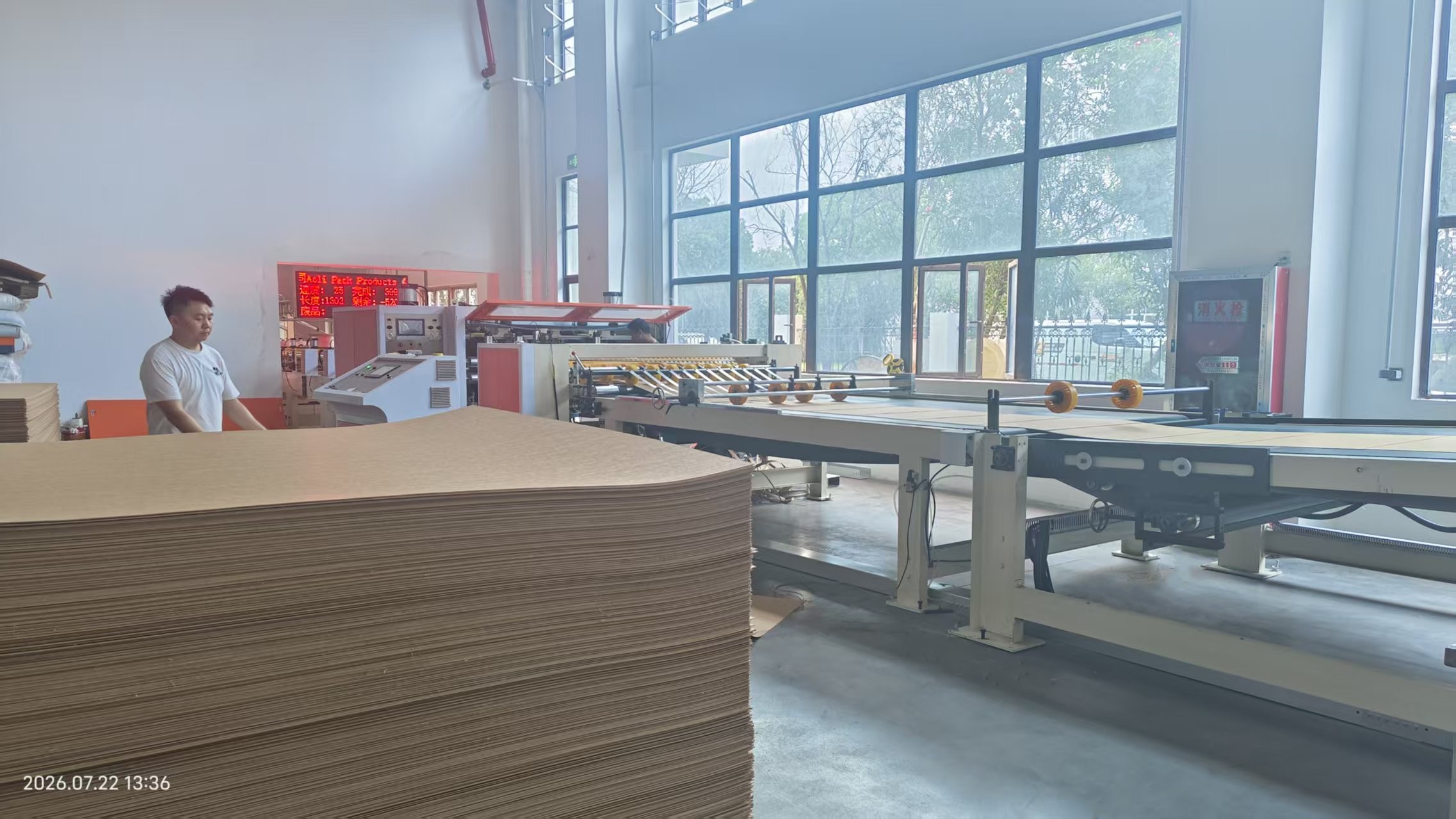
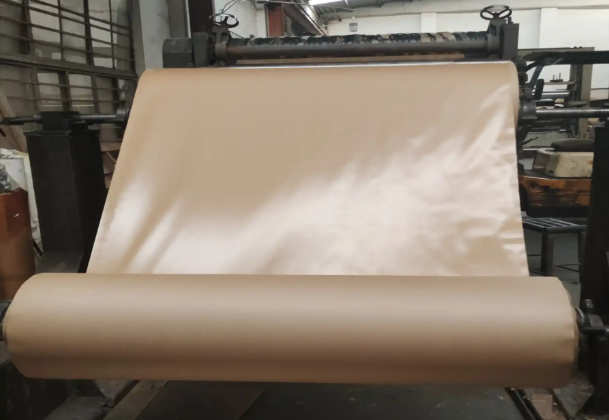
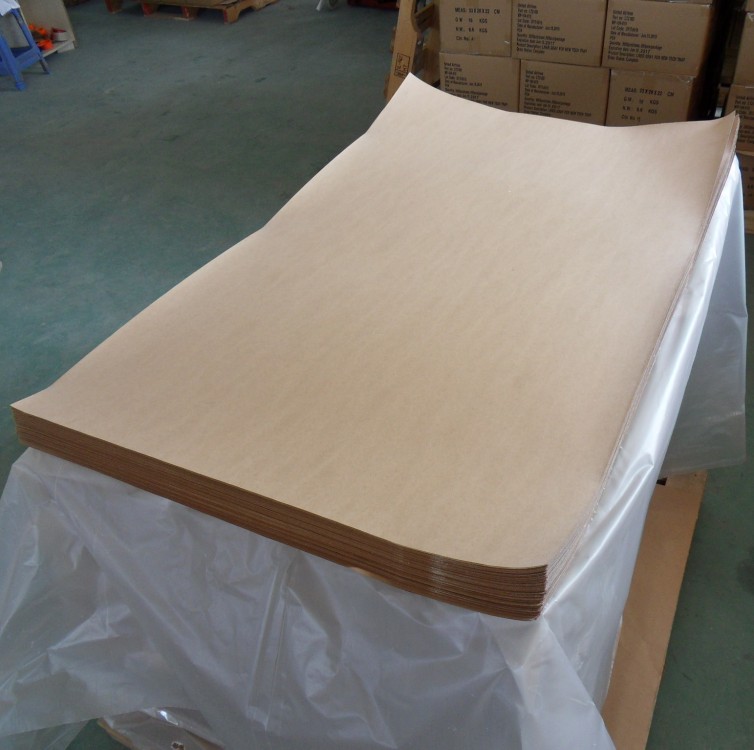
Slip sheet (paper/plastic): Prices vary widely, with paper slip sheets costing approximately USD 1.0– USD 2.0 per piece (depending on material, thickness, and RFID inclusion), while Plastic Slip Sheets range from USD1.0–USD 5 per piece (primarily HDPE, reusable). The 2025–2026 environmental policies and export factory inspection requirements (e.g., FSC, overseas client ESG standards) are driving increased adoption of paper slip sheets, particularly in the tobacco, home appliance, logistics, and FMCG industries. Plastic slip sheets are more favored in chemical and construction sectors due to their durability, because most of them requires to use many times.
The plastic slip sheet cycle times is from 5-6times to 200times, depends on its thickness and the cargo weight.
Push pull (forklift attachment, slip sheet attachment): A high-value specialized device, with mainstream lifting capacities of 1,500–2,000 kg. The unit price typically ranges from USD 4000 to USD 8000 (depending on brand and features such as slip sheet retention/non-retention, side shifting, quick change, etc.). Using matching slide sheets can reduce the costs of pallet procurement, storage, and maintenance (approximately 30–50%), offering significant advantages in container loading and narrow-aisle warehousing scenarios. Domestic slip sheet push pull attachment technology is mature, but high-end models still rely on imports (e.g., from Swedish or Japanese brands), with domestic substitution accelerating.
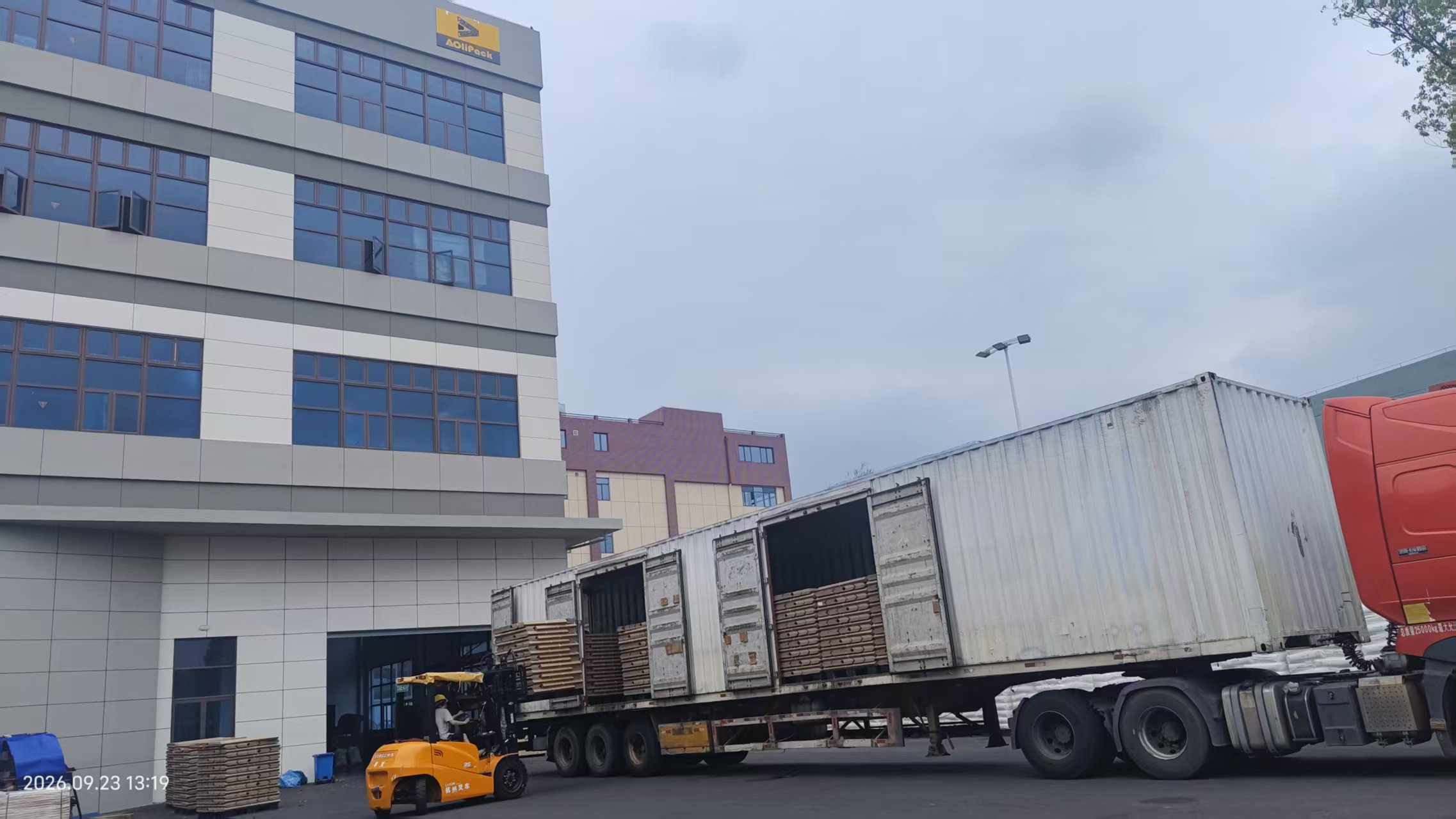
Market Trend: "Pallet-free" handling is advancing rapidly in logistics hubs of the Yangtze River Delta and Pearl River Delta, but requires forklift adaptation with push pull and standardized operation training. The industry has not yet achieved full standardization, with varying sizes and strength of slip sheets affecting compatibility. Under policy and cost pressures in 2026, the combination of paper slip sheets and forklift push-pull is considered a viable green and low-carbon logistics solution, though overall adoption remains below 15% (compared to plastic slip sheets), presenting significant growth potential.
Risks and Thresholds: slip sheet forklift attachment-push pullrequire professional training and forklift modifications (approximately 10–20% of the equipment needs hydraulic quick-change interfaces installed). Slip Sheets demand high ground level flatness, stacking height, and moisture resistance, making them unsuitable for some irregular goods. Currently, small and medium-sized logistics enterprises still prefer retaining traditional pallets due to the substantial one-time investment of Slip Sheet Forklift attachment-push pull.
In short, the forklift push pull + slip sheet system has shifted from "optional" to "preferred" in specific scenarios (high turnover, containerization, environmental compliance), but has not yet achieved widespread adoption. In price-sensitive markets, low-cost paper slip sheet (<USD 1.5) remain dominant, while high-reliability applications prefer plastic slip sheets + domestically produced forklift push pull ( around USD 4000). It is recommended to evaluate TCO (total cost of ownership) based on specific industries (e.g., export OEM, tobacco, e-commerce warehouses) rather than focusing solely on unit prices.
If you have any questions or requirments on slip sheet attachment forklift push pull or its operations, welcome email or call Aoli pack at any time.
We have specialized in this field over 10 years, and willing to help you to solve any problems of your packaging issues.