


Can anti slip paper replace stretch film?
According to multiple publicly available materials, anti slip paper's substitution effect is mainly reflected in the following aspects:
Alternative feasibility and advantages
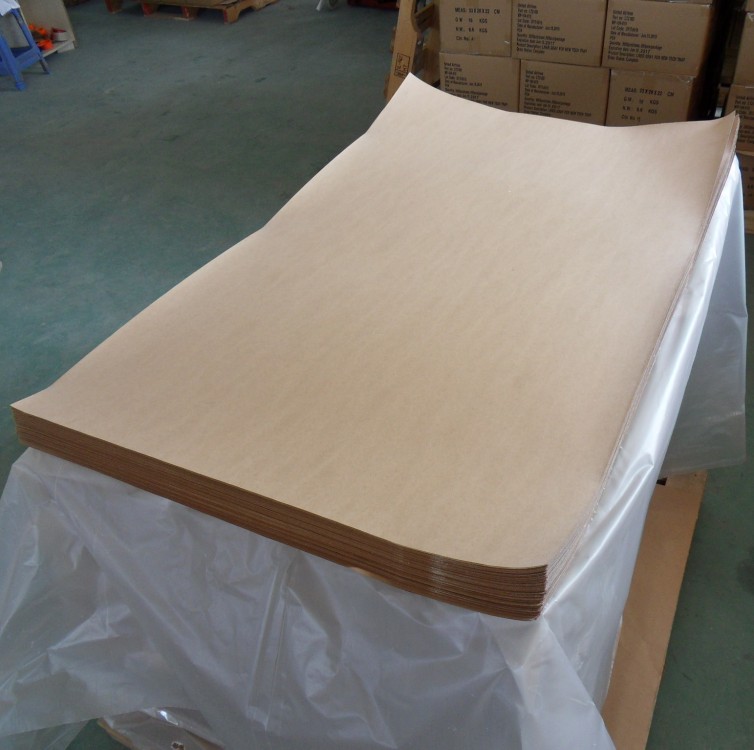
Strong anti slip performance: The surface of the anti slip paper is treated with a special coating, and the friction coefficient can reach 0.5-1.05 or above, which can effectively prevent the goods from sliding or tilting during transportation. Under normal circumstances, it can withstand a 45 ° tilt without slipping, and some products can even reach 60 °.
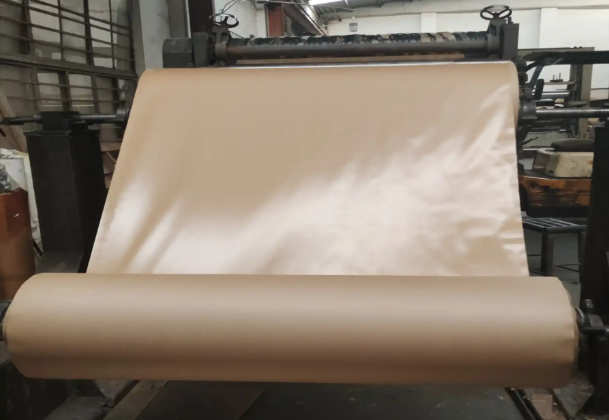
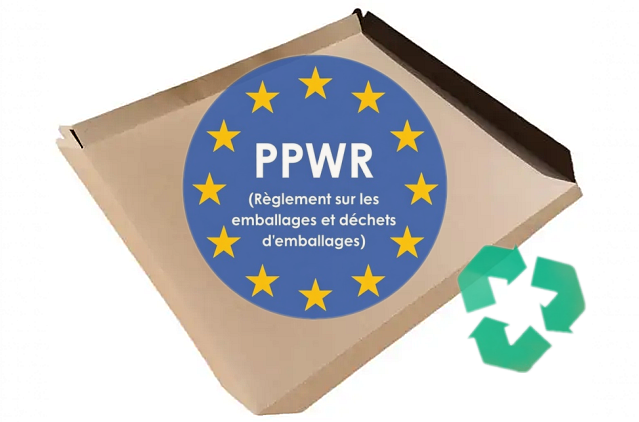
Environmentally friendly and recyclable: Made of kraft paper or wood pulp substrate, recyclable, biodegradable, non dusting, non-toxic, in compliance with food and daily necessities packaging standards, more environmentally friendly than plastic wrap film.
Cost reduction: It can reduce or even replace the use of disposable wrapping film, and a single Anti Slip Paper can be reused for 4-10 pallet processes, reducing packaging costs for long-term use.
Improve operational efficiency: Support manual or machine laying, stack more neatly, facilitate flat stacking, and improve the load-bearing capacity and stacking speed of cardboard boxes.
Wide applicability: Suitable for various materials such as cardboard boxes, plastic boxes, glass, metal, rubber, wood products, etc., widely used in industries such as grain and oil, chemical, electronics, food, and home furnishings.
Usage restrictions
Not providing bundling and fixing function: Anti slip paper is mainly used for anti-skid between layers or pallet contact surfaces, and cannot be used for external bundling and fastening of the entire pallet like wrapping film. If the goods require high-strength external restraint (such as ultra-high or irregular shapes), they still need to be secured with wrapping film or other fixing methods.
Sensitive to moisture (although water repellent): Some anti slip paper has water repellent function, but long-term exposure to high humidity or water immersion environment may affect its performance, and additional moisture-proof measures are still needed in extreme humid environments.
Conclusion
In scenarios where the shape of the goods is regular, the stacking is stable, and the main requirement is anti slip and anti overturning (such as standard cardboard pallets), anti slip paper can completely replace wrapping film.
If external bundling, securing irregular goods, or dealing with extreme transportation conditions are required, it is recommended to use anti slip paper in combination with a small amount of wrapping film to balance stability and cost-effectiveness.