




0102030405


High-Strength Cargo Cover Netting from China Suppliers - Durable Container Protection for Safe Transport at Our Factory
Character of Protection Net
Material: Nylon, polyester, PE, PP
Net type: knotless net or knotted net
Color: White, green, black, red, yellow, blue, etc
Mesh shape: Square or diamond
Mesh size: 20mm-1000mm
Rope diameter: 2mm-8mm
Size: Any size length and width
Package: Poly weave bag or as your request.
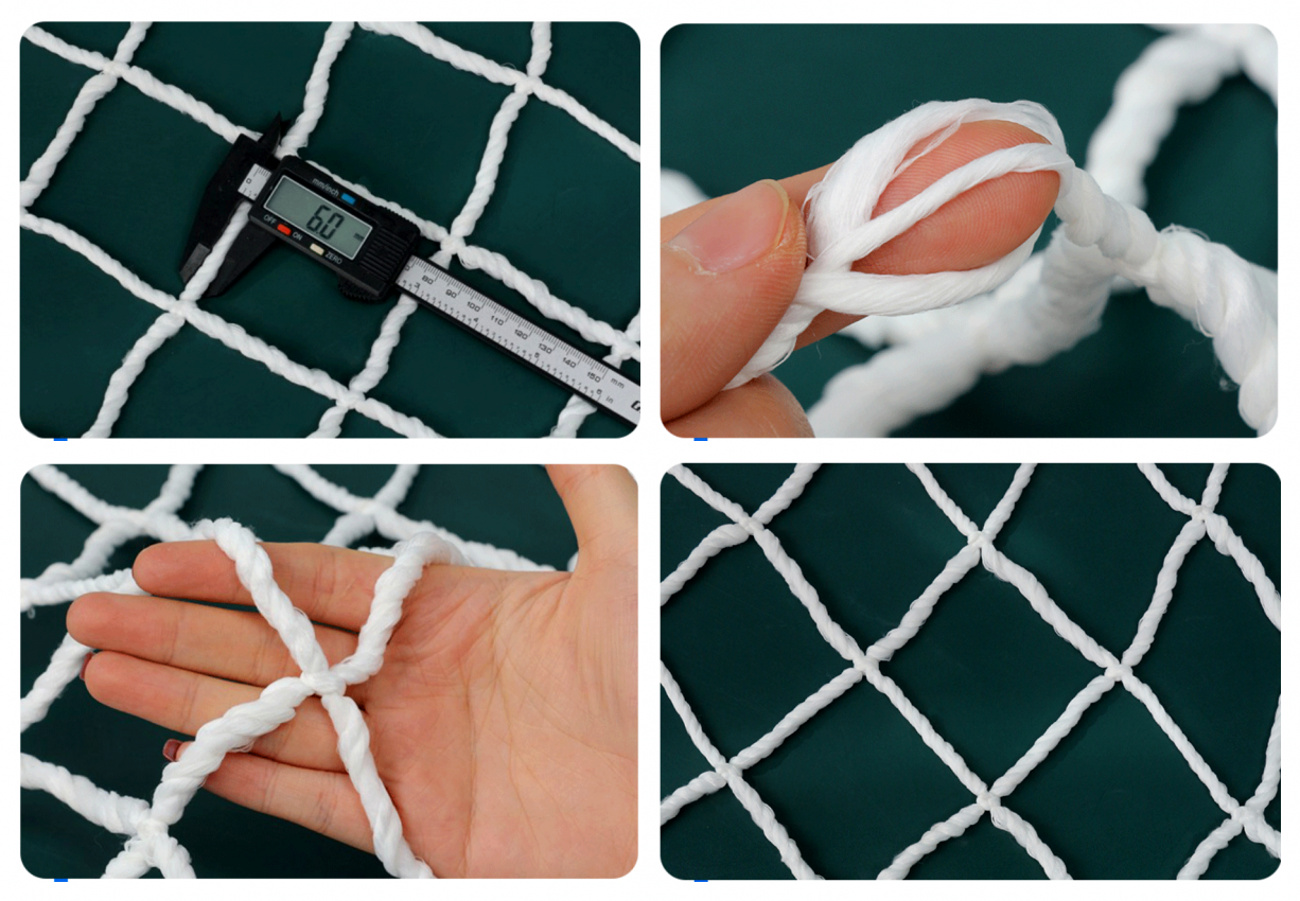
Structure of Protection Net
The structure of the container protection net is generally composed of net body, side rope, tether and other components.
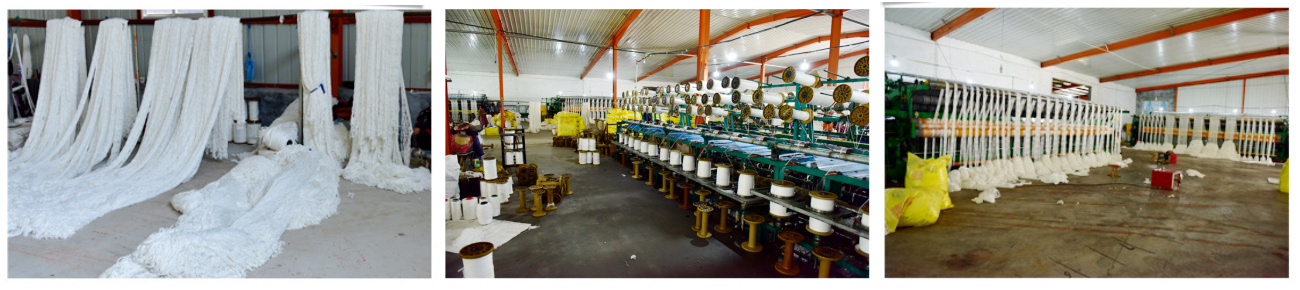
The material of the protection net is made of one-piece high-strength polypropylene fiber. The wire is twisted and plied to the stranded rope for one time. So its tension is large, more wear-resistant, and the net buckle will not out of shape.
The 100% polyester material provides better weather-resistance and Wear-resistant.
Usage of Protection Net
Container net is to prevent damage to items caused by tipping during transportation, especially fragile products such as glassware. It is hung over the tail of the container or truck to protect the products in the fixed box and effectively prevent the goods in the container from falling due to bumps during transportation, thereby also protecting the workers who open the door from injury.
It has advantages of low cost, good safety performance, and can be recycled repeatedly.
It is necessary to check whether the net body is broken, opened or worn before repeated use.
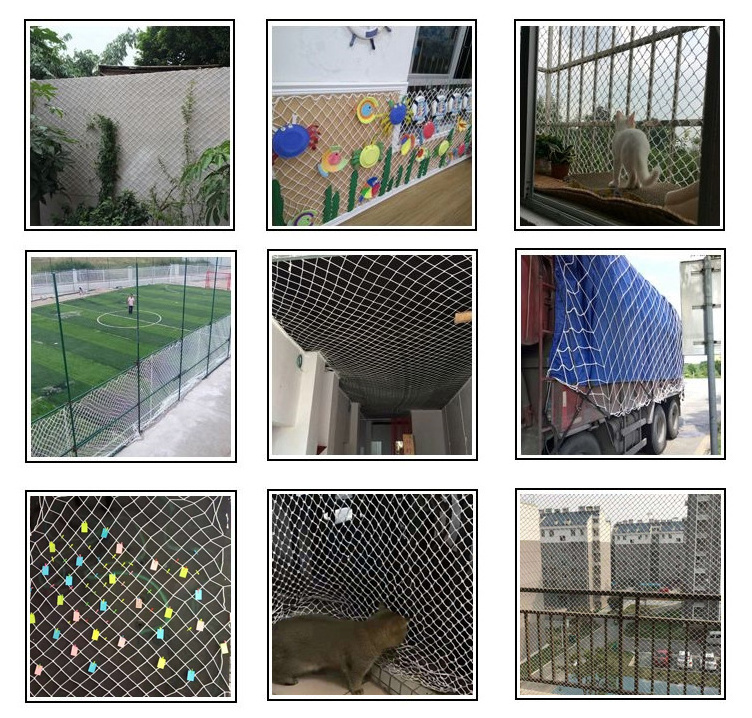
Where the Protection Net can be Used in?
Its scope of application is wide, it can cover most small packaged goods, avoiding damages to the staff caused by the sudden collapse of the goods.
1
Construction of buildings
High rise buildings: Vertical nets are installed around the exterior scaffolding to prevent building materials and tools from falling.
Floor edge: Flat nets are laid under unsealed floor slabs or openings to accommodate falling personnel or items.
Elevator shaft and staircase entrance: Cover the opening area to prevent personnel from accidentally stepping and falling.
2
Bridge and tunnel engineering
Hang safety nets during bridge pier construction to prevent crushed stones and tools from falling into the traffic area below. Protect the tunnel from flying rocks or collapsed fragments.
3
Decoration and Demolition Operations
Intercept fragments such as tiles and glass during exterior wall decoration to protect pedestrians and vehicles. Prevent bricks from splashing during building demolition.
4
Industry and Public Facilities
Temporary protection for the maintenance area of high-altitude equipment in the factory. Safety isolation during the construction of large facilities such as sports venues and airports.
5
Special environmental protection
Windproof and dust suppression: Use dense mesh safety nets (dust nets) in mining areas or material storage yards to reduce the spread of dust.
Anti falling ice: In winter, safety nets are hung under the eaves of northern buildings to intercept ice cones falling.
Frequently Asked Questions
What materials are protection nets made of?
Our protection nets are made of high-quality materials including Nylon, Polyester, PE (Polyethylene), and PP (Polypropylene) to guarantee optimal strength and durability.
How does a container protection net prevent damage?
It is hung at the tail of containers or trucks to secure items in place. This prevents cargo from shifting, tipping, or falling due to bumps during transit, protecting both the goods and the workers opening the doors.
Can these protection nets be reused?
Yes, protection nets are highly cost-effective and designed for repeated recycling and reuse. However, you must inspect the net body for any wear, breaks, or open knots before each use.
Can I customize the size and specifications of the net?
Absolutely. We offer customization for any size (length and width), mesh shapes (square or diamond), mesh sizes (20mm-1000mm), rope diameters (2mm-8mm), and colors according to your specific requirements.
What are the main applications of safety protection nets?
They are widely used in high-rise building construction, bridge and tunnel engineering, wall decoration, building demolition, industrial facility isolation, and environmental protection like dust control and anti-falling ice.