



0102030405


China Suppliers Factory Recyclable Kraft Paper Slip Sheets for Pallet-less Handling and Export Cargo Loading
Paper Slip Sheet Characteristics
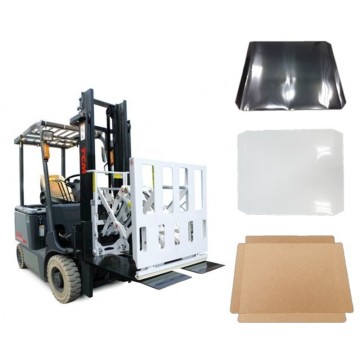
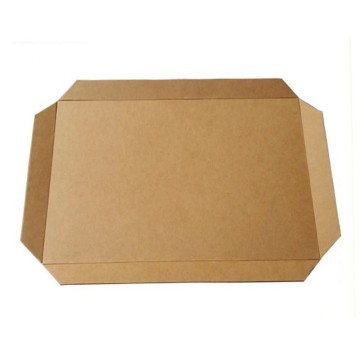
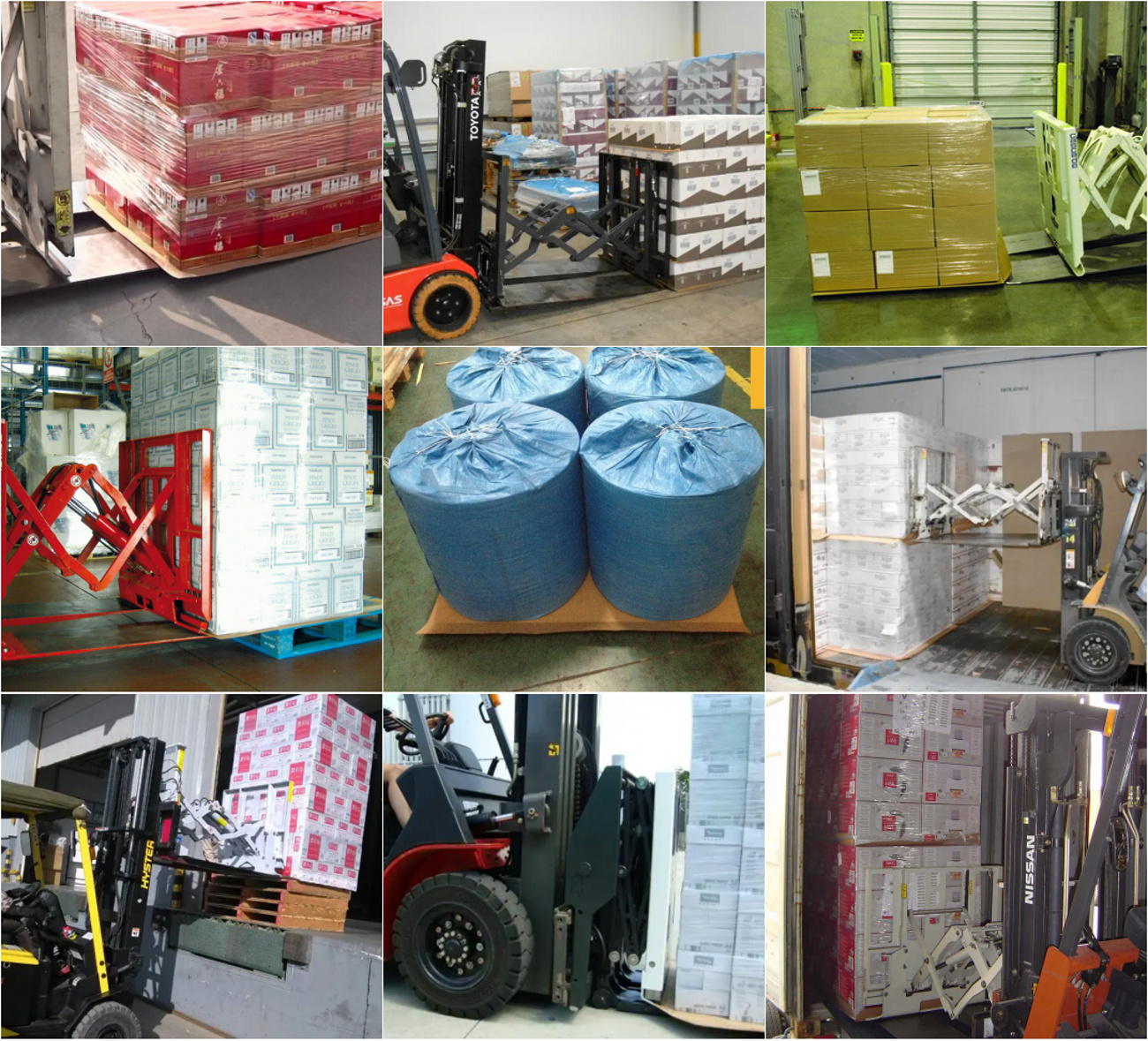
Aoli pack paper slip sheets are made from 100% kraft paper. We can also provide these sheets with a PE coating so that they can be moisture-resistant. Paper slip sheets can also be used as separator on a pallet. Furthermore, we can provide the slip sheets with flaps (crease), making them easy to grab for a push pull system.
- 100% recyclable and biodegradable
- Moisture-resistant coating available
- Multiple ply options for different load requirements
- Customizable dimensions and strength
- Compatible with forklift push pull attachments
- Significantly lighter than wooden pallets
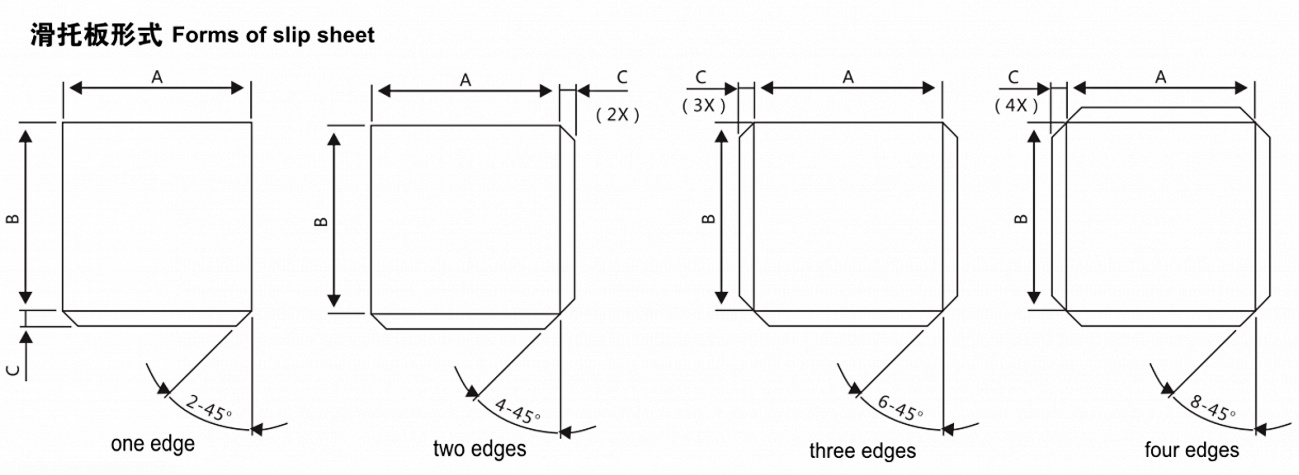
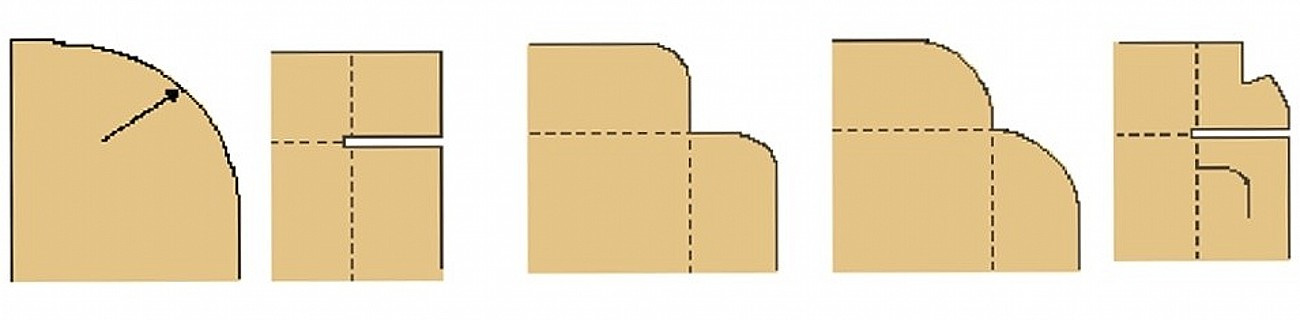
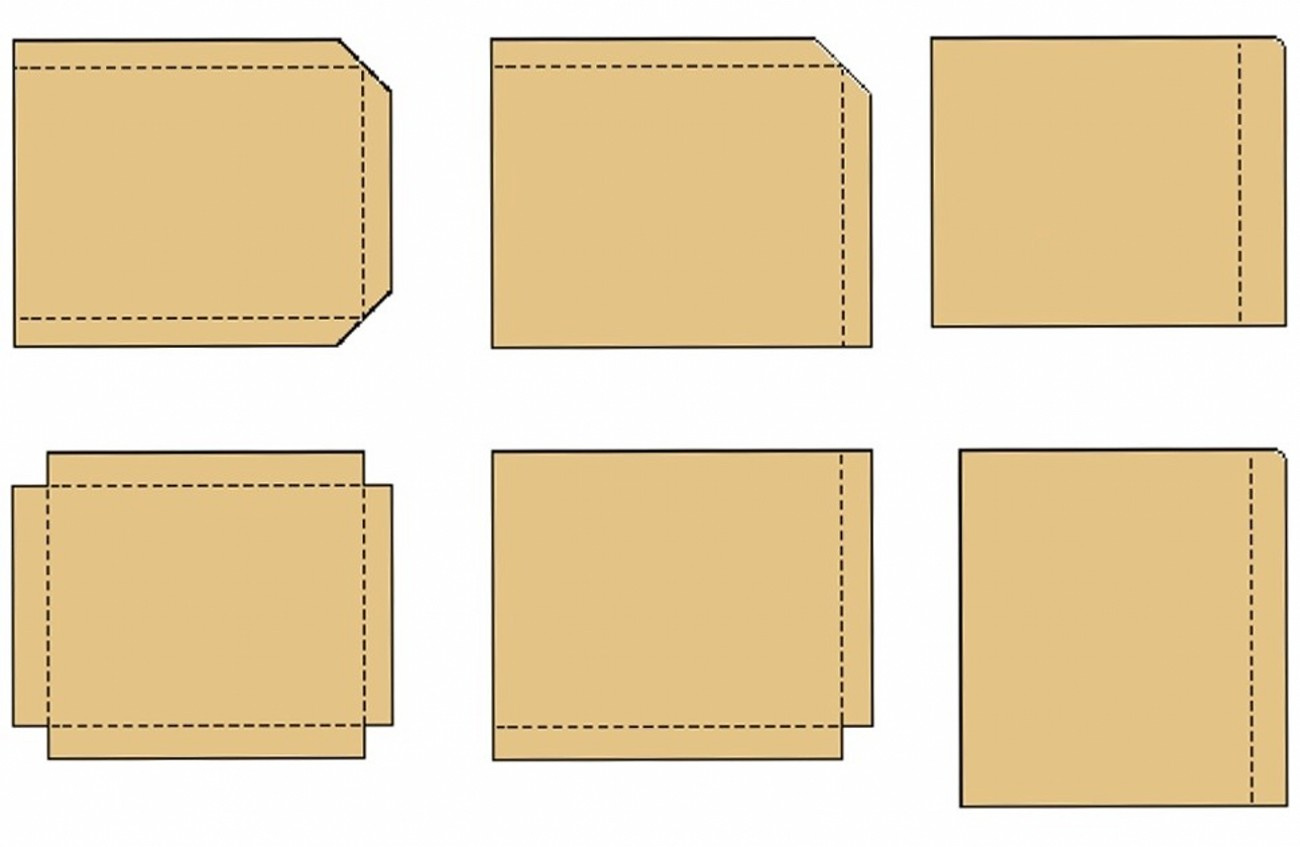
Paper Slip Sheet Spec. and Forms
| Product | Thickness (mm) | Loading Weight (KG) |
|---|---|---|
|
Paper Slip Sheet (T 0.7-1.5mm) |
0.7 | 0-400 |
| 0.8 | 400-600 | |
| 0.9 | 600-800 | |
| 1.0 | 800-1000 | |
| 1.2 | 1000-1200 | |
| 1.5 | 1200-1500 |
Advantages of Paper Slip Sheet
Paper slip sheet greatly reduces the simplification of storage, transportation, loading and unloading procedures, and omit the cumbersome fumigation and quarantine inspection procedures, so that customers do not need to purchase, storage, maintenance pallets and other costs.
- The appearance is like a piece of paper, which can make better use of the space of containers and transport vehicles
- Light weight and small volume can save freight
- The storage space is very small, 1000 slip sheets = 1 m³
- Renewable Resource: Paper is derived from trees, a renewable resource. However, sustainable forestry practices are crucial to minimize environmental impact. Certifications like FSC (Forest Stewardship Council) ensure responsible forest management.
- Biodegradability: Paper is biodegradable, breaking down naturally over time. This reduces landfill waste and minimizes long-term environmental impact.
- Recyclability: Paper slip sheets are generally recyclable, allowing for closed-loop material cycles. This significantly reduces the demand for virgin resources.
- Lower Carbon Footprint: Compared to plastic, paper production often has a lower carbon footprint, particularly when sourced from sustainably managed forests.

Application of Paper Slip Sheet
Paper slip sheet’s application is almost the same with plastic slip sheet, except too heavy cargo such as 2000KG per pallet.
- Bagged goods (such as cement, grain, fertilizer, plastic particles, feed, petrochemicals, tons of bags, etc.)
- Boxed goods (such as cartons, food, electronics, hardware, furniture, tobacco, beverage mineral water, textiles, etc.)
- Glass bottled goods (such as beer, beverages, cans, etc.)
- Reel goods (such as reel kraft paper, non-woven fabrics, blankets, etc.)
Frequently Asked Questions
What materials are Aoli pack paper slip sheets made of?
Aoli pack paper slip sheets are made from 100% kraft paper. They can also be manufactured with a PE coating to make them moisture-resistant.
Are paper slip sheets compatible with standard forklifts?
Yes, they are compatible with forklift push-pull attachments. They can also be customized with flaps (creases) for easy gripping by push-pull systems.
What is the maximum weight capacity of a paper slip sheet?
The loading capacity depends on the thickness. It ranges from 0-400 KG for a 0.7mm sheet, up to 1200-1500 KG for a 1.5mm sheet. They are not recommended for extremely heavy loads exceeding 2000KG.
How much storage space can I save by using paper slip sheets?
Paper slip sheets are extremely space-efficient. Approximately 1,000 slip sheets take up only 1 cubic meter (1 m³) of storage space, which is far less than traditional wooden pallets.
Are paper slip sheets environmentally friendly?
Yes, they are 100% recyclable, biodegradable, and have a lower carbon footprint compared to plastic alternatives. They also eliminate the need for fumigation and quarantine inspections required for wooden pallets.
What types of products are suitable for paper slip sheets?
They are ideal for bagged goods (cement, grain, feed), boxed goods (electronics, food, furniture), glass bottled goods, and reel goods (kraft paper, textiles).