


0102030405


China Suppliers Factory Push Pull Forklift Attachment for Efficient Handling of Slip Sheets and Palletless Loads
Character of Forklift Push Pull
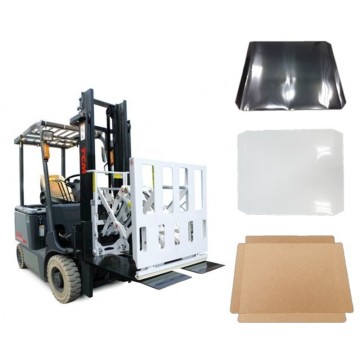
Forklift push pull is a useful forklift attachment which can handle cargos by utilizing a cheap slip sheet without pallets. It is widely used in the transportation and stacking of pallet-free goods.
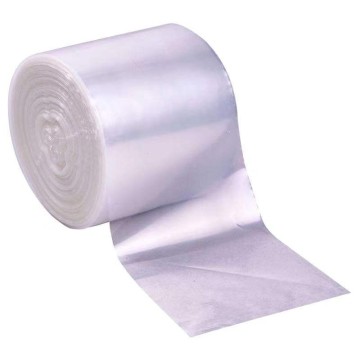
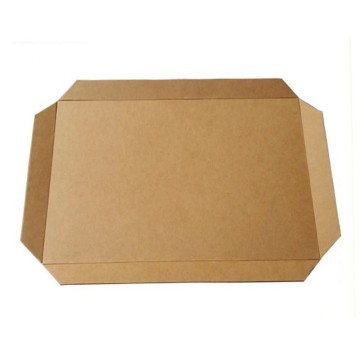
There is no need for traditional pallets to carry or de-palletize. The loading and unloading of the entire stack of goods can be completed with the help of a plastic slip sheet or paper slip sheet.

Forklift Push Pull Types
Quick Loading Type
It can be quickly assembled on any type of forklift without exchanging forks, which can meet the requirements of different working conditions of customers, especially those who use both slip sheets and pallets.
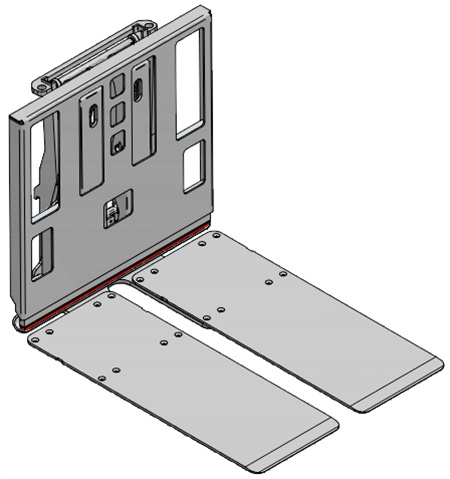
Standard Type
The forks of forklift must be moved when install it, because its forks is thick and strong enough to load and unload cargo.
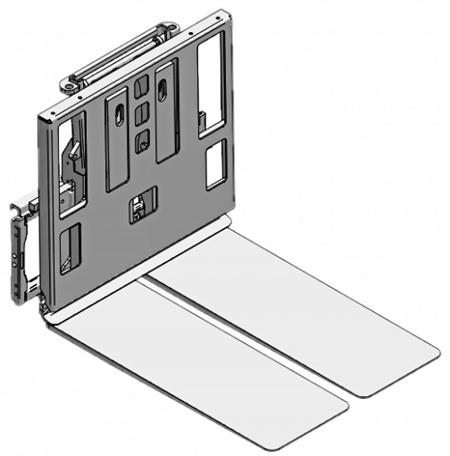
Slip Sheet Retaining Device
With this device, the slip sheet can be pressed and kept on the device when pushing the cargo onto truck or container, which is suitable for use slip sheets for many times in your own warehouse.
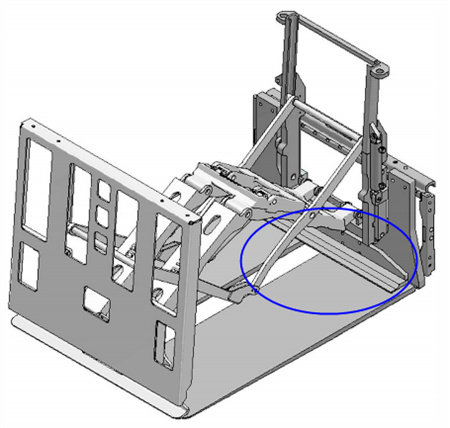
Advantages of Forklift Push Pull Attachment
The Forklift push pull attachment can save pallets and reduce damage of cargo during handling operation.
- 1. The overall structure is reasonable, the field of vision is wide, dexterous and easy to operate;
- 2. Use the skateboard to carry out pallet-free transportation or loading of goods, which partially solves the problem of large space occupied by pallets for stacking and storage;
- 3. The fork plate is durable and smooth, which can avoid damage to the contact parts of the sliding plate during operation;
- 4. The hydraulic components are reasonably designed so that the hydraulic system is well protected and has a long life;
- 5. The ejector linkage mechanism is scientifically designed, has good strength, rigidity and good synchronization;
- 6. The overall materials are made of high-strength alloy materials, and key accessories such as oil pipes and valve cores are all made of internationally renowned brands.
Forklift Push Pull Operation
STEP 1 – Equipment
Push Pull Device must be fitted to the Forklift
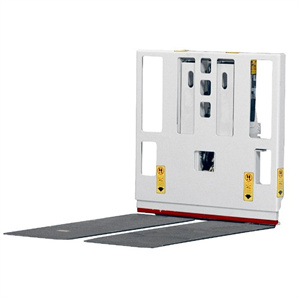
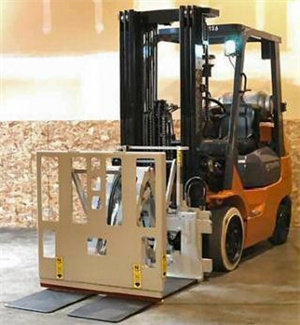
STEP 2 – Loading the Slip sheet
Extend the Push Pull
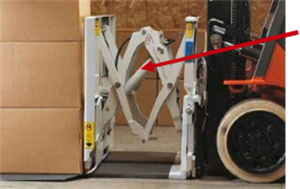
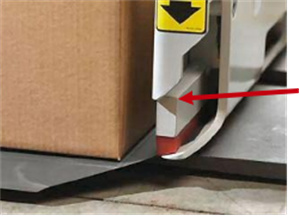
STEP 3 – Grip the Slip sheet Pull Tab
Grip the Pull Tab
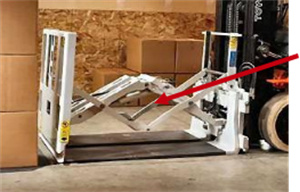
STEP 4 – Pull the load back onto the Forklift
Using the Pull Tab pull the load back onto the forklift
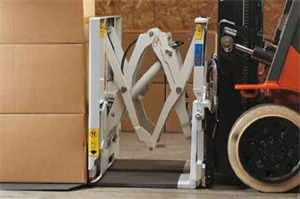
STEP 5 – Unload from the Forklift
1. Position the load over the unloading point (truck deck)
2. Release the Pull Tab gripper
3. Simultaneously extend the Push Pull Device as you reverse
2. Release the Pull Tab gripper
3. Simultaneously extend the Push Pull Device as you reverse
Frequently Asked Questions (FAQ)
Q1: What is a forklift push pull attachment?
A forklift push pull is a specialized forklift attachment designed to handle and transport cargo using inexpensive plastic or paper slip sheets instead of traditional wooden pallets.
Q2: What are the main types of forklift push pulls available?
There are three main types: the Quick Loading Type (easy assembly without changing forks), the Standard Type (requires moving forks for heavy-duty load handling), and attachments with an additional Slip Sheet Retaining Device.
Q3: How does the slip sheet retaining device work?
This device presses and keeps the slip sheet secured onto the attachment while the cargo is being pushed onto a truck or container. This enables you to reuse the slip sheets multiple times within your warehouse.
Q4: What are the core advantages of using a push pull attachment?
Key advantages include saving pallet storage space, reducing cargo damage, durable and smooth fork plates, highly synchronized ejector linkage, and a robust structure made of high-strength alloy materials with internationally recognized key components.
Q5: What are the basic steps for operating a forklift push pull?
Operation involves five steps: 1) Fitting the device to the forklift, 2) Extending the device to load the slip sheet, 3) Gripping the slip sheet pull tab, 4) Pulling the load onto the forklift, and 5) Positioning the load and extending the push pull while reversing to unload.